
We’ve all faced scenarios where our trust and credibility are at stake.
Picture this: your friend’s necklace goes missing in your room. With only three roommates, everyone denies involvement. No one blames you directly. However, the uncertainty bothers you so much that you’re compelled to clear your name.
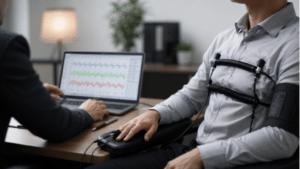
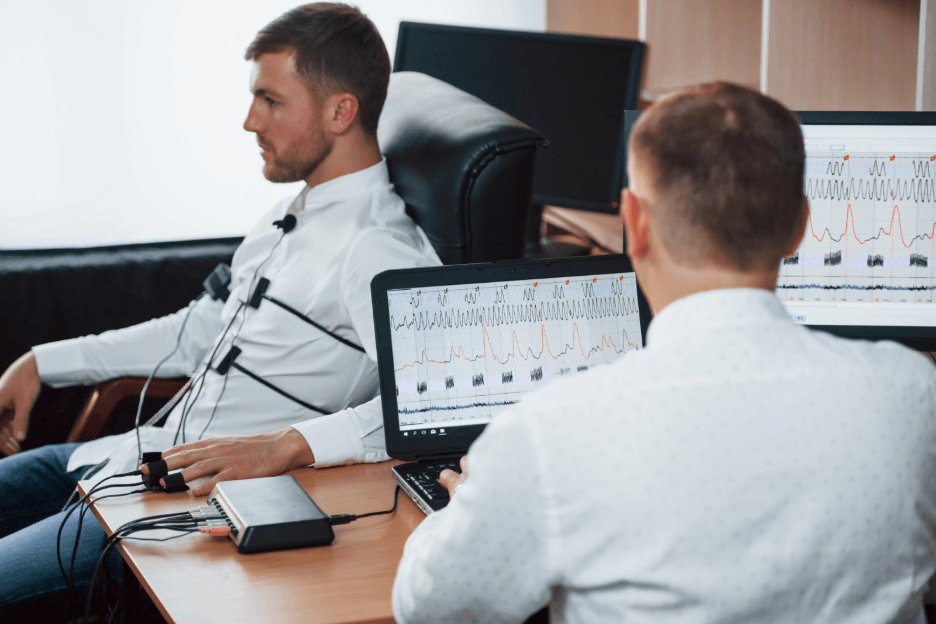
Confident in your innocence, you suggest a lie detector test, and everyone agrees. The guilty person fails, and the truth comes out, salvaging an already-shaking friendship.
During such scenarios, the polygraph doesn’t serve as a tool to coerce a confession but as a proactive measure to establish the truth. And, contrary to the misconception, you don’t need to wait until someone blames you directly. You can request a lie detector test to preempt accusations and fast-track the investigation process.
Read on to explore the scenarios where undergoing lie detector tests may prove meaningful, even if you’ve not been directly accused of a crime or misconduct.
1. Clearing Name From Suspicion
That you’ve not been formally accused of a crime doesn’t mean everyone thinks you’re innocent. Many friends and relatives will shy away from pointing an accusing finger at you, ostensibly to avoid undue confrontations.
But you can always tell when trust is broken. Physical avoidance, strained communication, and defensive actions are your cues that doubts are simmering.
Requesting a lie detector test can disprove all silent accusations. By passing a polygraph test, you’re able to clear your name from suspicion and restore a threatened relationship.
2. Defusing Accusations
A crime has occurred, and no one thinks you’re responsible. Well, just not yet. For all you know, the plaintiff could be gathering further evidence to lodge a formal complaint against you. Taking a lie detector test can defuse such accusations.
Don’t wait until the other person has enough justification to accuse you. Instead, volunteer for a lie detector test immediately.
Besides proving you’re innocent, a polygraph exam may also forestall conflicts caused by false accusations.
3. Redirecting Investigations
Submitting to a polygraph exam eliminates you from the suspect pool. You can use the findings to corroborate or impeach existing evidence, thereby redirecting the spotlight to other suspects. Undergoing a lie detector test is particularly important under the following scenarios;
- Every piece of circumstantial evidence points to you
- Doubts keep mounting despite asserting your innocence
- You’ve been accused of a similar offense before
If possible, try to talk the other suspect into a polygraph test. The culprit(s) will most likely fail a professionally administered exam, helping fast-track the investigations.

4. Resolving Relationship Doubts
Relationships are often marred by suspicions of cheating.
Sometimes, there’s irrefutable evidence. But, in most cases, doubts simmer without tangible proof.
Taking a polygraph test can prove your honesty and resolve unfounded fears, pulling your marriage from the brink.
It doesn’t matter whether cheating suspicions are due to previous incidents or psychiatric disorders like Othello syndrome. By passing a lie detector test, you can dispel your partner’s doubts and reignite the spark in your relationship.
5. Settling Family Disputes
Every family navigates conflicts from time to time. While some of these disputes often end up in judicial proceedings, most can be resolved through proactive polygraph testing.
Is a recent theft threatening to tear your family apart? Even if no one accuses you directly, submit to a lie detector test to prove you’re innocent.
Other family dynamics that you can resolve with polygraph exams include;
- Will contestations
- Spousal and/or child support during divorce
- Suspicions of drug use

6. Pre-employment Screening
In the United States, the Employment Polygraph Protection Act (EPPA) bars most private sector employers from coercing their employees into taking polygraph tests, whether during recruitment or while investigating workplace incidents.
But there are exceptions to the rule, such as the Law Enforcement Pre-Employment Polygraph Test (LEPET).
Submitting to a LEPET test doesn’t imply you’ve been formally accused of a crime. Rather, it’s a standard procedure for screening prospective federal law enforcement and intelligence agents.
7. Mitigating Future Liabilities
Passing a polygraph test doesn’t only absolve you from current blame. By documenting the findings, you can cushion yourself from future accusations.
Common applications include resolving;
- Theft among roommates
- Embezzlement in joint businesses
- Doping rumors in sports
8. Addressing Psychological False Positives
Many people experience anxiety at the prospect of being falsely accused of a crime. Even with no finger-pointing directly at you, simply knowing you’re part of a potential suspect pool can trigger intense nervousness.
According to research, the psychological impact of being wrongfully accused of a crime is immense. The fears of identity loss, stigma, and fractured relationships can trigger undue anxiety.
Note that stress is, itself, a manifestation of guilt. So, displaying visible nervousness may have everyone believe you’re culpable. Request a polygraph test and prove that your anxiety isn’t a sign of deception.

Resolving Doubts With Polygraph Tests
Polygraphs aren’t just instrumental in resolving unjust accusations. The tests may also clear lingering doubts, restoring relationships that were otherwise threatened by simmering tensions and unsubstantiated suspicions.
Submitting to a polygraph exam may also proactively defuse accusations. It helps clear your name well before someone can formally lodge accusations against you, redirecting the investigation’s focus elsewhere.
But despite what’s at stake, insist that all polygraphs be administered by professional examiners. Choose someone who graduated from an APA-certified school and who uses the industry’s validated techniques.
Besides, note that consent affects the credibility of a lie detector test. For incidents like theft within families, everyone must willfully submit to getting polygraphed for the outcome to be valid.