
Human memory isn’t perfect. Rather, it’s highly constructive and malleable.
After stressful events occur, the brain only records fragmented details. It later fills in the gaps, creating episodes that may be grossly exaggerated or entirely false.
Various psychological factors, including stress, fear, and emotional attachment, can shape how our brains reconstruct recorded memory. This could cause two witnesses of a similar event to give conflicting accounts even when neither is deliberately being misleading.
When witness testimonies conflict, taking a polygraph exam might help clear the air.
Here’s a look at how lie detector tests can bridge the gap when witnesses’ accounts are out of sync.
What Is the Significance of Witness Accounts?
For centuries, witness statements have been instrumental in solving investigations. Witnesses offer direct (and often first-hand) accounts of events, making their testimonies significant.
By narrating events sequentially, witnesses can provide investigators with a reliable timeline and help nail perpetrators much faster.
Other roles of witness accounts include;
- Identifying suspects by their special features, clothing, or unique behaviors
- Contextualizing physical evidence, such as explaining how a stolen item was transported
- Providing information about subjective facts, such as a suspect’s demeanor before committing a crime
However, there are cases where two or multiple witnesses give conflicting testimonies. This can reduce the credibility of an investigation, necessitating secondary interventions.
Administering a lie detector test may help sift fact from lies where witnesses’ accounts are consistently conflicting.

Polygraphs and Memory
Lie detector tests cannot distinguish between true and false memories. However, they may help sniff out liars where witnesses are being intentionally deceptive.
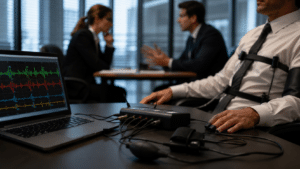
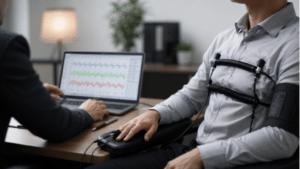
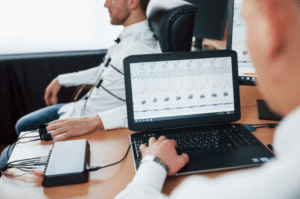
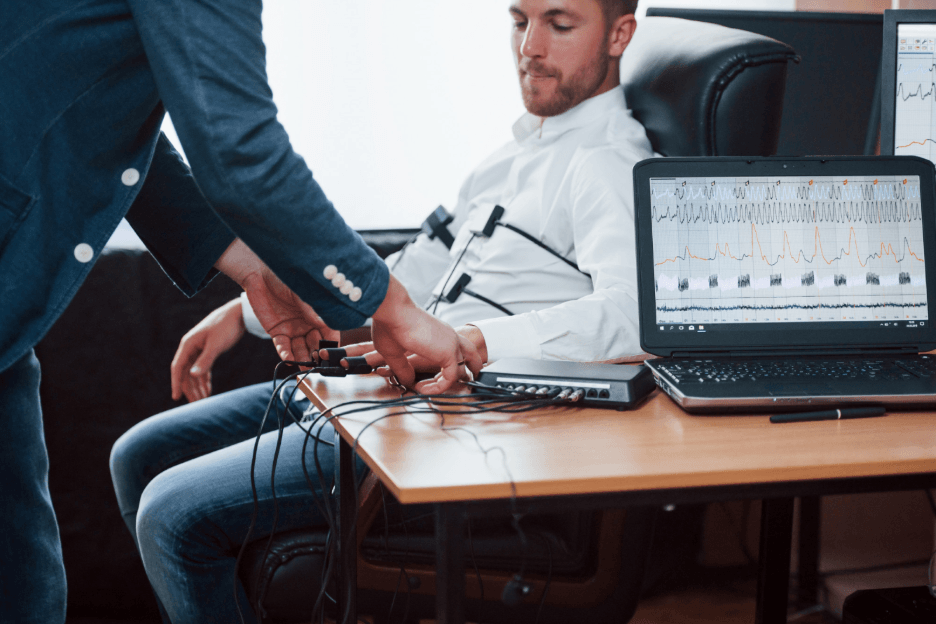
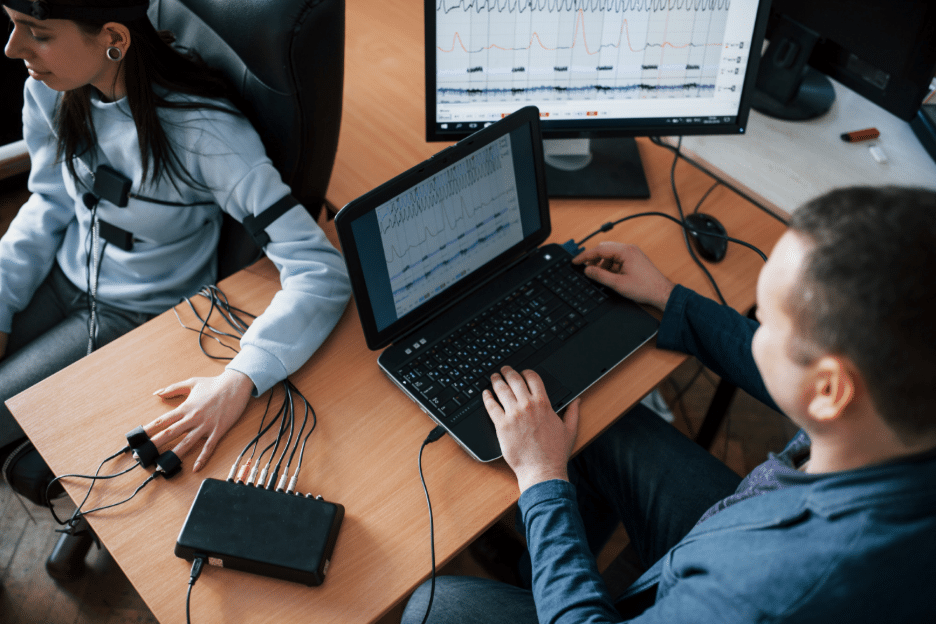
The polygraph instrument measures physiological arousal of the Autonomic Nervous System (ANS).
According to research, lying exerts a massive cognitive load. The brain triggers several ANS-regulated physiological reactions to ward off the threat, including changes in blood pressure, pulse rate, skin conductivity, and respiration. Polygraphs measure fluctuations in all four parameters against prerecorded baselines, enabling examiners to infer deception.
Ideally, a truthful witness should pass a professionally administered lie detector test. This reduces the suspect pool and allows investigations to focus on the individuals who fail the exams.
Ways Polygraphs May Support Fact-Finding In Conflicting Witness Accounts
While lie detector tests don’t discern lying in the literal sense, they can provide reliable physiological data synonymous with deception. Examiners review the findings and assign a score denoting the probability of deception.
Here are some ways polygraph exams may support fact-finding when witness accounts conflict;
1. Helping Establish Baseline Truths
Despite how conflicting their accounts may be, individuals who witnessed a similar event will always agree on certain basic facts.
Polygraphs can help establish these baseline truths before escalating the investigations further.
Typically, an examiner will establish prior contact with the would-be examinees to build rapport and obtain their voluntary consent in writing. These initial engagements also provide an opportunity to freely discuss the test subject, encouraging openness.
2. Pinpointing Unreliable Statements
Polygraph exams query examinees about well-known and adequately pre-discussed facts. So, once witnesses are in sync on fundamental truths, it’s easier to detect if one of them is being intentionally misleading.
One way examiners sniff out liars is by checking for countermeasures. Although truthful individuals may use countermeasures to solidify their facts, these techniques are commonly deployed by deceptive characters in vain attempts to beat a polygraph test.
Significant physiological arousal indicates an examinee is being deceptive, allowing examiners to flag certain statements as false. Common deception-linked reactions include;
- Elevated heart rate and blood pressure spikes
- Increased skin conductivity due to hyperactive sweat glands
- Shallow breathing
3. Shrinking the Suspect Pool
Sometimes, witnesses are also prime suspects in an investigation. That’s all the more reason their accounts can conflict.
Administering polygraphs can verify witness statements, directing the investigations to the actual perpetrators.
For instance, examiners may deploy the Concealed Information Test (CIT) to home in on the real suspects. Examinees who pass the test are consequently knocked off the suspect list, while those who fail come under more scrutiny.
Instances Where Polygraphs May Solve Conflicting Witness Statements
Since its invention, polygraph testing has been synonymous with detective work. However, the technique has since pervaded numerous other spheres.
Below are scenarios where administering a lie detector test might help reconcile conflicting witness accounts;
- Car accident investigations for insurance claims
- Theft within family or friends
- Financial impropriety among business partners
- Sexual harassment in schools, shopping malls, and other public spaces
- Drug misuse allegations among family members or within a sporting federation
- Cheating accusations between married partners
Leveraging Polygraphs in Reconciling Witness Accounts
Despite the photographic memory cliché, multiple studies have proved that the brain is far from being a video recorder. So, after witnessing stressful events, individuals may narrate entirely different accounts even if they aren’t being intentionally deceptive.
Sometimes, memory failure results from repeated attempts by a witness to block stressful details to avoid retraumatizing themselves. But, in most instances, it’s attributed to the brain’s malleable nature.
Where witness accounts are unreliable, requesting a polygraph exam can make a significant difference. Lie detector tests enable investigators to evaluate credibility by unearthing potentially hidden information.
If one of the witnesses is deliberately misleading, a polygraph exam can serve as an effective deterrent against dishonesty.
However, note that lie detector tests lack probative value. The findings can only be used to corroborate or impeach witness statements.
Besides, both parties must willingly submit to getting polygraph tested for the findings to be legally defensible.