

Key Takeaways
- Polygraph examiners work closely with attorneys to develop focused examination questions that address specific legal issues and support case preparation.
- Investigators and examiners collaborate by sharing information, helping ensure that examinations align with investigative objectives and available evidence.
- Polygraph tests can be utilized by therapists as a component of overall trust-rebuilding, especially when there is a conflict in the relationship and issues of credibility.
- Effective collaboration among attorneys, investigators, therapists, and examiners promotes ethical practices, clear objectives, and more informed decision-making.
It may be hard to find credible information when issues of honesty, credibility, or unresolved disputes are involved. Tension, contradictory stories, and lack of evidence can often make it difficult to establish what has occurred.
Consequently, lawyers, investigators, and therapists might want to find more tools that can be used to explain critical matters.
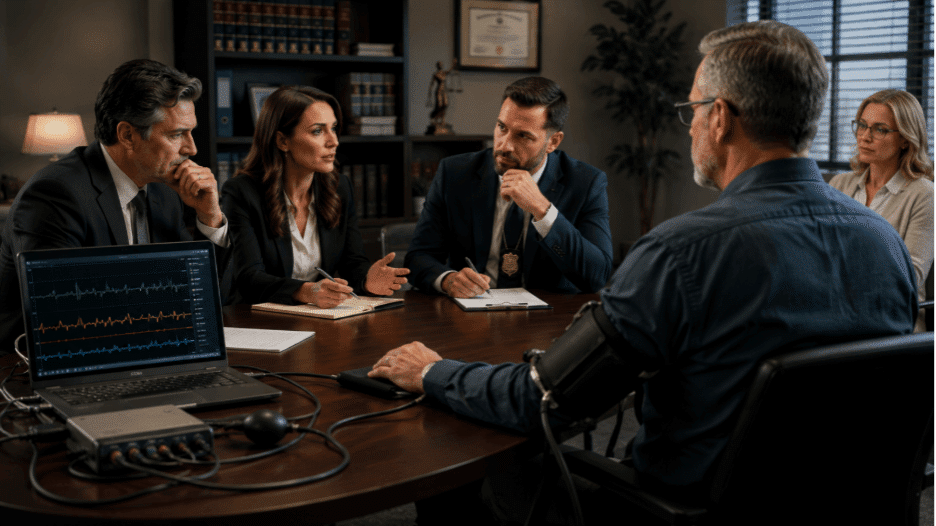
Polygraph tests are often employed as a subset of a larger fact-finding procedure. The worth of a polygraph examination, however, is not limited to the test. Experienced examiners can collaborate effectively with lawyers, investigators, and mental health professionals to guarantee that the examination is conducted in a proper manner and the information collected is pertinent to the case.
This blog discusses the collaboration of polygraph examiners with attorneys, investigators, and therapists to facilitate informed decision-making.
Table of Contents
- Work With Attorneys To Address Specific Legal Questions
- Investigators and Polygraph Examiners Share Information To Strengthen Investigations
- Therapists May Use Polygraph Examinations As Part Of Trust-Rebuilding Efforts
- Collaboration Helps Ensure Professional and Ethical Examination Practices
- Value Of Professional Collaboration
1. Work With Attorneys to Address Specific Legal Questions
A polygraph test can be most effective when it is targeted at specific issues. Thus, before an examination is arranged, attorneys often work together with polygraph examiners.
In such discussions, lawyers can clarify the facts of a case, distinguish controversial assertions, and indicate the particular questions that should be answered. This preparation assists examiners in creating a testing strategy that complies with the legal issue and does not violate the standards of professional testing.
Studies confirm the significance of well-organized examinations. A 2021 meta-analysis in Applied Cognitive Psychology found that the Comparison Question Test (CQT) is an effective method to distinguish between truthful and false answers.
As an illustration, a criminal defense lawyer might be interested in reviewing a statement made by a client with regard to a particular claim. In the same manner, an attorney in a civil court case can inquire about further information when there are contradictory facts and little evidence to support the case.
Moreover, examiners can assist attorneys in comprehending how the testing is conducted, discussing the possible restrictions, and whether a polygraph test is suitable in a given case. This collaborative practice assists in ensuring that the investigation is centered around pertinent concerns, as opposed to irrelevant issues.
2. Investigators and Polygraph Examiners Share Information to Strengthen Investigations
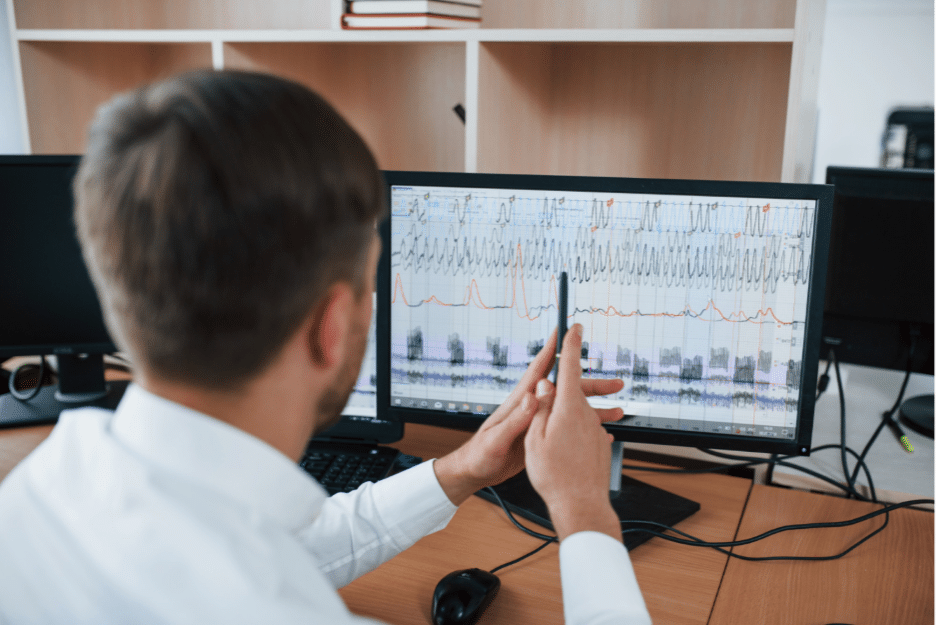
Polygraph examiners and investigators normally collaborate in the collection and analysis of information. Despite the difference in roles, the two professionals are concerned with creating a better comprehension of the facts.
Investigators can present background facts, witness testimony, timelines, and other pertinent information prior to an examination. This information enables examiners to have a clearer picture of the situation of the issue being reviewed.
Simultaneously, polygraph examiners also provide knowledge about interview methods and credibility checks. Examiners can use detailed pre-test interviews to detect inconsistencies, clarify timeframes, or information that needs further investigation.
In addition, the collaboration between investigators and examiners contributes to making the examination questions accurate and specific. Questions that are poorly formulated may diminish the utility of an exam, and highly structured questions may enhance the quality of the exam.
Due to the presence of several sources of information in the course of investigation, polygraph testing is not regarded as a complete solution but as a part of a bigger investigation process. The collaboration of investigators and examiners allows them to develop a more complete image of the events under investigation.
3. Therapists May Use Polygraph Examinations as Part of Trust-Rebuilding Efforts
In certain cases, counselors and therapists deal with clients who have serious trust issues. Such cases might be related to issues in relationships, infidelity claims, family conflicts, or other scenarios in which restoring trust is a significant objective.
Under such conditions, therapists can prescribe a polygraph test as a part of a larger therapeutic approach. The purpose is not to replace counseling. Rather, the analysis can assist in offering more details, which can be used to reinforce the current communication between the participants.
In such cases, polygraph examiners usually liaise with therapists to understand the situation behind the concerns and the issues that should be pursued. This partnership assists in making sure that the topics of examination are pertinent to therapeutic goals.
Therapists can also support clients emotionally prior to the process and guide them to talk about the results positively afterward. Through collaboration, therapists and examiners can facilitate a systematic approach to solving problematic questions that might not be solved otherwise.
4. Collaboration Helps Ensure Professional and Ethical Examination Practices

Regardless of whether an examiner is working with an attorney, investigator, or therapist, effective collaboration promotes professionalism throughout the examination process.
Clear Objectives
Communication helps define the purpose of the examination and establish realistic expectations. As a result, every participant can better understand what the examination may contribute and what its limitations may be.
Better Questions
Collaboration also supports the creation of fair and relevant examination questions. Well-structured questions are essential because they directly influence the quality of the information collected during the testing process.
Ethical Standards
Working with other professionals encourages adherence to established standards and ethical practices. Attorneys, investigators, therapists, and examiners each bring specialized expertise that contributes to a more responsible and informed approach.
Broader Perspective
Finally, collaboration helps ensure that examination findings are considered within the broader context of available information. Rather than relying on a single source, decision-makers can evaluate polygraph results alongside interviews, evidence, professional assessments, and other relevant factors.
Value Of Professional Collaboration
Polygraph examinations are most effective when they are integrated into a broader process of information gathering and evaluation. For that reason, polygraph examiners frequently collaborate with attorneys, investigators, and therapists to address complex questions involving credibility, trust, and disputed facts.
By sharing information, defining objectives, and maintaining professional standards, these professionals can work together to support more informed decisions.
Whether the goal is legal case preparation, investigative clarification, or trust restoration, collaboration helps ensure that the examination process remains focused, relevant, and responsible.