

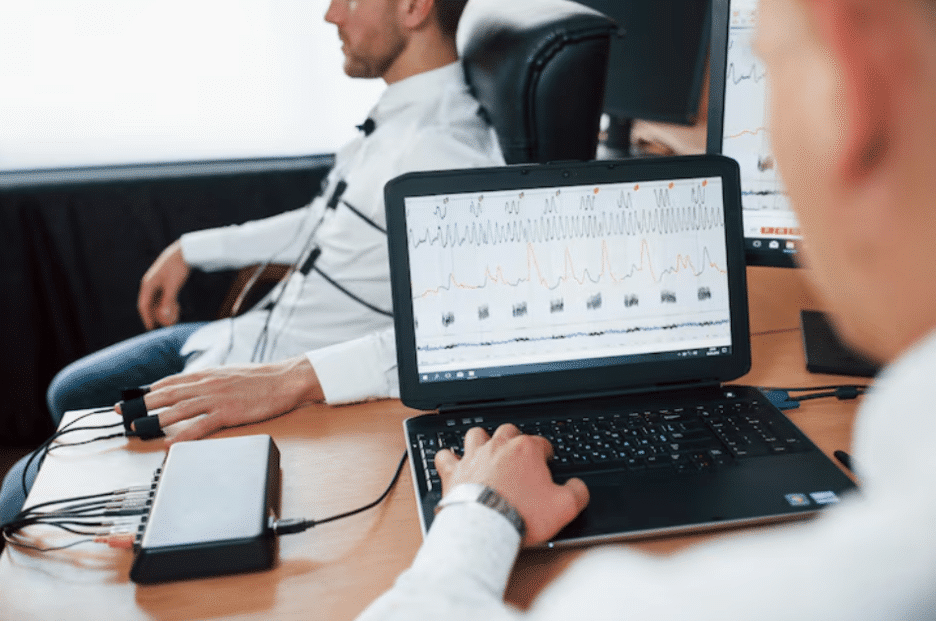
Key Takeaways
- Most US courts don’t allow polygraph results in criminal proceedings, often because rulings still rely on older research that newer studies have since superseded.
- Admissibility depends on the jurisdiction. About half of US states partially allow polygraph reports, and the presiding judge makes the final call.
- Polygraphs may help address conflicts over divorce, child custody, and spousal support, including honesty about a parent’s income, fitness, and ability to provide for a child.
- A polygraph may offer secondary proof of noninvolvement in false accusations, such as infidelity, theft, or doping, and help restore credibility.
- Polytest.org connects clients with vetted examiners in their own city or state for court-ordered or voluntary tests.
Polygraph findings are generally inadmissible in criminal cases. While the reports may be acceptable in certain civil and out-of-court proceedings, admissibility varies significantly by jurisdiction.
Polygraphs’ legal inadmissibility largely reflects courts’ reliance on older research that more recent studies have superseded. Specific-issue testing meets the Daubert standard, but many courts still apply those earlier findings.
But if your credibility is on the line, requesting a polygraph test might help redeem your name. Here’s a look at the role of lie detector tests in resolving reputation disputes.
Table of Contents
- Is a Polygraph Test Admissible in Court?
- Can a Lie Detector Test Help in a Custody or Family Law Case?
- Is a Private Lie Detector Test Useful for Settling a Personal Dispute?
- How Polytest.org Supports Investigations With Polygraphs
- Reclaim Your Credibility With Professional Polygraph Tests
- Frequently Asked Questions
Is A Polygraph Test Admissible In Court?
Most courts in the United States don’t allow lie detector tests in criminal cases. Courts have often reasoned that even a professionally conducted polygraph wouldn’t assist the trier of fact under Rule 702, a view that frequently rests on older research rather than current studies.
So, can a polygraph test be used as evidence in court?
Generally no. However, there may be exemptions for civil proceedings and out-of-court disputes.
Although no state has enacted formal legislation expressly permitting lie detector reports, about half of the states partially allow them.
Where lie detector tests are admissible, both parties must willfully consent to it. That’s the premise behind a voluntary polygraph agreement.
Can A Lie Detector Test Help In A Custody Or Family Law Case?
Although the polygraph was originally synonymous with law enforcement and criminal detective work, the technique has since gained widespread applicability in family law.
Lie detector tests may help resolve family conflicts relating to divorce, child custody, and spousal support. When requesting a private polygraph for family disputes, both parties must voluntarily submit to the process.
Polygraphs can also help settle;
1. Legal Tussles
Facing false accusations of a crime can weigh on your credibility. When it’s your word against someone else’s, polygraph findings may offer crucial secondary evidence.
You can request a polygraph test for legal disputes involving personal theft and loss, corporate espionage, child abuse, etc.
2.Reputational Disputes
Clearing a tainted name is the overarching goal of polygraph testing.
Whether you’ve been accused of infidelity or doping, lie detector findings can provide assurance of your innocence and help restore your credibility.
Remember, a polygraph test for reputation disputes only supports primary evidence.
Is A Private Lie Detector Test Useful For Settling A Personal Dispute?
Yes, and investigating cheating allegations is a classic application of private polygraph testing.
Where suspicion of infidelity keeps mounting, a spouse may request that the accused partner undergo a lie detector test. Both partners should enlist a professional examiner.
Qualified polygraphers utilize advanced forensic tactics, such as the Concealed Information Test (CIT), to identify deception markers that would be otherwise difficult to detect using standard methods.
An NDI (No Deception Indicated) verdict helps resolve suspicions and allows the couple to rebuild their relationship.
Besides cheating allegations, polygraphs may support fact-finding in multi-party disputes like;
- Estate inheritance
- Divorce and child custody
- Theft within families
- Workplace theft or fraud allegations

How Polytest.org Supports Investigations With Polygraphs
Polytest.org is a global polygraph network that connects clients with qualified examiners.
Before listing examiners on our ecosystem, we thoroughly vet them to ensure every individual possesses the requisite accreditations. Only APA-accredited polygraphers who follow strict industry standards make the cut.
Extensive examiner vetting ensures all scheduled polygraph tests are professionally conducted, making the findings legally defensible. It’s your best shot at rebuilding your reputation after false accusations.
Whether you’re planning a court-ordered polygraph test or a voluntary one, Polytest.org has a skilled examiner to handle your case. And the best part is, you may schedule a lie detector test right in your local city or state.
Reclaim Your Credibility With Professional Polygraph Tests
Getting embroiled in personal disputes can taint your credibility, sometimes irredeemably. Whether you’re party to a child custody dispute or a suspect in a workplace investigation, requesting a polygraph test may help clear your name and rebuild your reputation.
Polytest.org is committed to assisting individuals in resolving personal disputes through polygraph testing. We have a global polygraph network of examiners, allowing you to schedule a lie detector test in a city near you.
Check out our locations and prices, and kick-start the process of finding a credible, industry-accredited polygraph examiner.
Frequently Asked Questions
1. Is a polygraph test admissible as evidence in court?
Polygraph tests aren’t automatically allowed in courts, as admissibility varies by jurisdiction.
About half of US states generally permit lie detector reports if both parties agree. Even so, court admissibility is strictly left to the presiding judge’s discretion.
2. Can a polygraph test help resolve a private dispute out of court?
Yes, requesting a polygraph exam might help resolve personal disputes out of court.
While lie detector findings do not offer probative proof of guilt or innocence, they can help impeach or corroborate circumstantial evidence.
3. What is a stipulated/voluntary polygraph agreement?
A stipulated/voluntary polygraph agreement is an arrangement in which both parties willfully consent to having polygraph results used as evidence. The consent must be informed and given in writing.
4. Are polygraph results used in custody or family law cases?
Yes. Polygraph reports may be used as supportive evidence in family law cases, such as child custody disputes. They can help assess honesty regarding a parent’s income, fitness, and ability to provide for a child’s essential needs.
5. How is a polygraph test used to help clear someone’s reputation?
A polygraph exam can offer secondary proof of an individual’s noninvolvement in misconduct, helping clear their name and restore fractured relationships.
The test provides a reliable way to disprove false accusations in the face of mounting suspicion.