

Key Takeaways
- Lie detector apps and DIY kits generally lack the sensors, calibration, and controlled testing procedures used in professional polygraph examinations.
- Professional polygraph tests involve a trained examiner, a pre-test interview, calibrated equipment, and established testing protocols.
- Most smartphone-based “lie detector” apps are designed primarily for entertainment rather than reliable deception detection.
- A professional polygraph can take around 1.5–2.5 hours, while DIY apps may produce a result within minutes.
- For sensitive matters such as security screening or relationship disputes, a professionally administered examination is more appropriate than a DIY test.
As interest in polygraph testing rises, we’re witnessing an almost proportional increase in the demand for lie detector apps.
These apps appeal to DIYers seeking to save some extra bucks. Besides, most of these apps are considerably fast, often reducing to minutes a process that typically takes 1.5 – 2.5 hours.
But are lie detector apps actually accurate? More importantly, are the findings legally defensible?
This post explores the popularity of DIY lie detector tests and how they compare to professional exams.
Table of Contents
- What’s the Difference Between a Lie Detector App and a Real Polygraph Test?
- How Do Lie Detector Apps Work?
- What Are the Limits of Lie Detector Apps?
- Why Do Professional Exams Use Trained Examiners and Calibrated Instruments?
- DIY Polygraph Test vs. Professional Examiner: A Comparison
- When Do You Need a Professional Polygraph Instead of an App?
- Frequently Asked Questions
- Apps vs. Professional Exams: Why Trust the Pros?
What’s The Difference Between a Lie Detector App and a Real Polygraph Test?
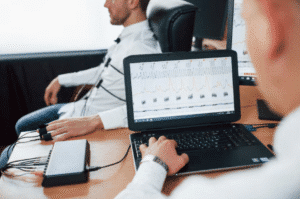
Lie detector apps utilize basic electronic components, usually mobile phone applications, to conduct polygraph tests. They differ from professional exams, which are administered by duly trained and accredited polygraphers.
DIY lie detector app work remarkably fast because they require no pre-test interviews or instrument calibration. They’re also low-cost, often requiring just initial app downloads and minimal investments in rudimentary electronic equipment.
But can I trust an online lie detector test for something serious?
One way to answer that question is by understanding how polygraph apps work.
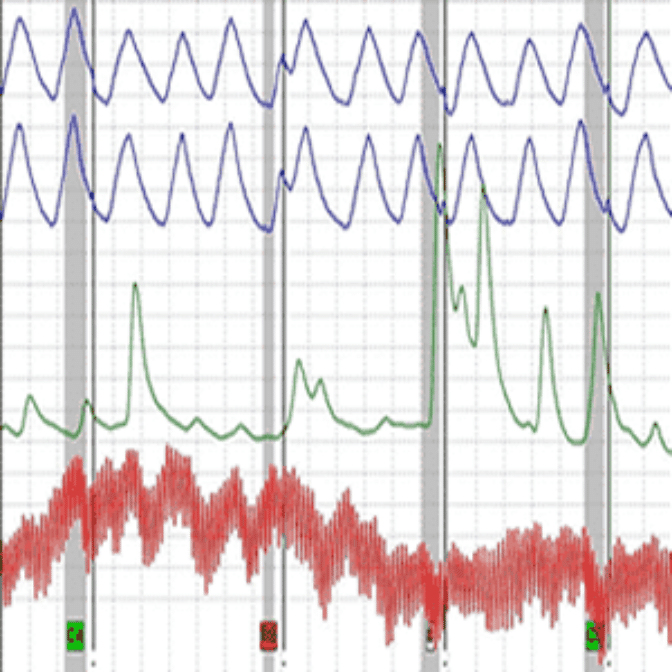
How Do Lie Detector Apps Work?
- Download and install a “polygraph” application.
- Head to the app’s main operational interface.
- Place your thumb on a dedicated fingerprint scanner on the screen, or speak into a microphone while answering a structured set of True/False or multiple-choice questions.
- Let the app quantify and score the data.
What Are the Limits of Lie Detector Apps?
Accuracy is the biggest drawback with lie detector apps.
Standard smartphones lack both the hardware and software required of an industry-grade polygraph instrument. Instead, they merely generate random ‘Truth’ or ‘Lie’ outcomes, making them highly unreliable.
So, do lie detector apps on my phone actually work?
The short answer is no. What’s marketed as a polygraph app on your smartphone is no more than a prank tool.
NOTE: Certain DIY lie detector test kit may utilize artificial intelligence (AI) to gauge involuntary physiological metrics like eye movements and touch pressure. Still, the accuracy scores are wanting.
Why Professional Exams Use Trained Examiners and Calibrated Instruments
Polygraph accuracy remains a sticking issue in modern lie detection. It’s the principal reason why lie detector tests are generally inadmissible in judicial proceedings.
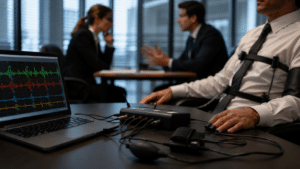
That said, professionally administered polygraphs can come remarkably close to meeting the Daubert standard. Professional exams utilize trained examiners and calibrated instruments to minimize error rates.
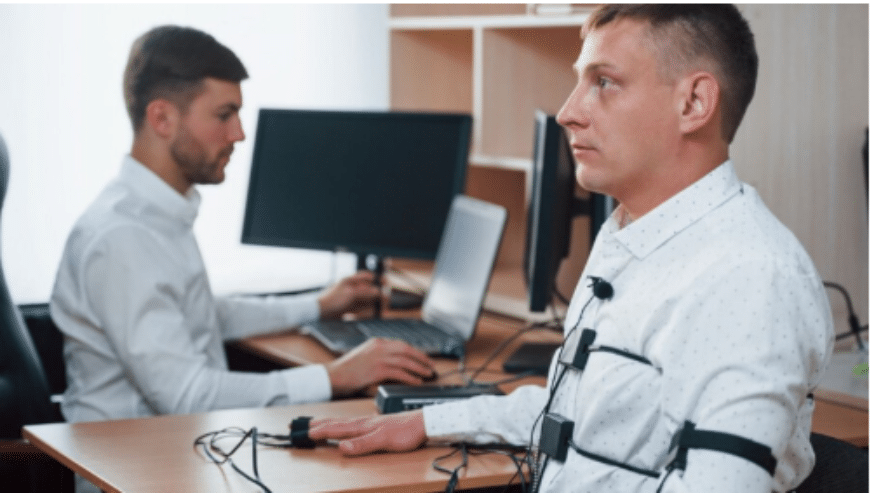
Usually, instrument calibration begins with an acquaintance exam conducted during the pre-test phase. Examiners then monitor polygraph sensor sensitivity as the test progresses, allowing them to account for normal mechanical deviations and environmental variables that could otherwise falsify the outcomes.
Unlike online lie detector test apps, professional examiners are also trained to monitor for countermeasures. Using APA-validated techniques further maximizes the accuracy ratings.
Should I Use a DIY Lie Detector Test or Hire a Professional Examiner?
| DIY Polygraph Test Kits/Apps | Professional Examiners |
Sensors Used | Typically none | At least 4 (pneumographs, cardiosphygmographs, electrodermal sensors, motion sensors, etc.)
|
Duration | Near-instant | 1.5 – 2.5 hours |
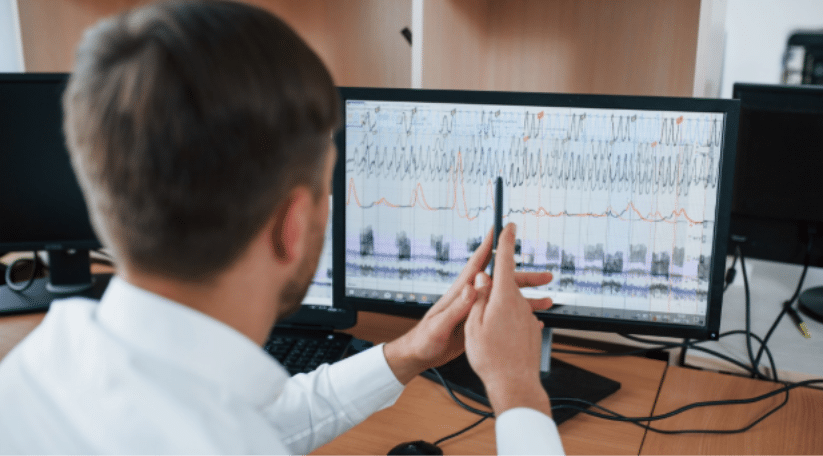
Scoring Methodology | Highly subjective | Standardized Numerical Scoring Algorithms like ESS |
Accuracy | Unverified but presumably very low | 90% to 95% (for single-issue tests) |
Admissibility | Almost 0% admissibility | May be admissible as supportive evidence if both parties agree to it |
Common Applicability |
|
|
Cost | Free (except for marginal app download fees) | Approximately $400 to $2,000 per test |
When Do You Need a Professional Polygraph Instead of an App?
When you compare professional vs home polygraph test, it’s evident that lie detector apps serve no purpose beyond mere entertainment.
DIY polygraph kits may be fast and free. However, they meet no standard for legal admissibility.
Stick to professionals if you’re looking to conduct a credible and legally defensible lie detector test.
Common use cases include high-level security screening, supporting workplace investigations, and resolving infidelity allegations.
Apps vs. Professional Exams: Why Trust The Pros?
Choosing between apps and professional polygraph exams shouldn’t be difficult.
While DIY polygraphs may seem affordable and time-saving at first glance, they have exceptionally low accuracy ratings. Your best bet is to hire professional services.
Global Polygraph Network maintains a global network of experienced polygraphers, ensuring every lie detector test is undertaken in compliance with the industry’s best practices. Check out our testing locations and prices to discover a qualified examiner near you.
Frequently Asked Questions
1. Are at-home lie detector kits or apps accurate?
No. At-home lie detector kits are completely inaccurate, only designed to entertain or prank.
2. What’s the difference between a DIY test and a professional exam?
A DIY test is a self-administered polygraph exam typically conducted at home using mobile apps or rudimentary electronic devices, providing fast but highly inaccurate results.
Professional exams utilize industry-approved instruments, making them exceptionally reliable.
3. Can I use a lie detector app for legal or workplace purposes?
Absolutely not. DIY lie detector apps have nearly 0% accuracy ratings, making them inadmissible in legal or workplace investigations.
4. Why do professional examiners use calibrated equipment and set protocols?
Professional examiners utilize calibrated polygraph machines and APA-validated techniques to improve test accuracy.
By following standard procedures, professionally conducted single-issue tests can be up to 95% accurate.
5. When is a professional test worth the investment?
A professional polygraph test is worth every penny in high-stakes outcomes where your life or reputation is on the line.