
Key Takeaways
- Polygraphs record physiological responses during structured questioning.
- They measure cardiovascular activity, respiration, and skin conductance.
- Accuracy varies by testing methods and examination conditions.
- Question design and examiner qualifications matter.
- Results provide information but do not independently prove what happened.
A bank statement can help to prove that money was transferred. However, it rarely shows who approved it, who knew about it, or why it was never mentioned.
The reason for such disputes over undisclosed financial transactions is that gap. Some say that a transfer was authorized, while others say they never saw it, and records cannot resolve which is correct. Whether it involves a withdrawal between spouses, a payment inside a business, or a purchase that was never disclosed, the question often comes down to who knew what.
In these kinds of scenarios, a lie detector test, or a polygraph examination, is a thought that comes to mind. When a polygraph focuses on a specific and clear question, it may add an additional piece of information to the financial records, the messages, and the witness accounts.
That makes it important to understand what a polygraph can tell you, how the test works, and where its results fit alongside other evidence.
Table of Contents
- How Does a Lie Detector Test Work?
- What Does a Lie Detector Test Measure?
- What Research Says About Polygraph Accuracy?
- What Factors Affect Lie Detector Test Accuracy?
- Can a Lie Detector Test Clarify an Undisclosed Financial Transaction?
- Frequently Asked Questions
- Conclusion
How Does a Lie Detector Test Work?
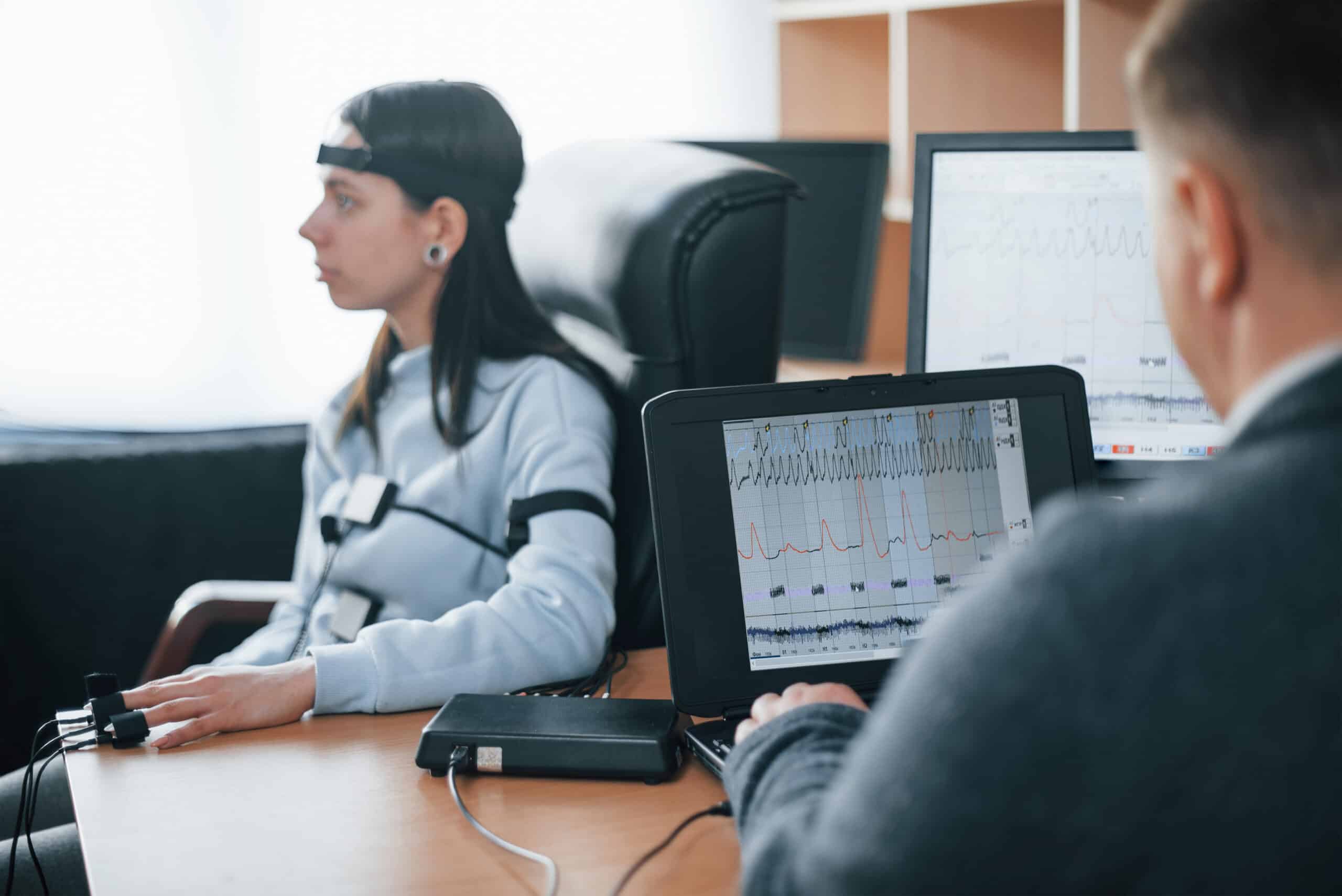
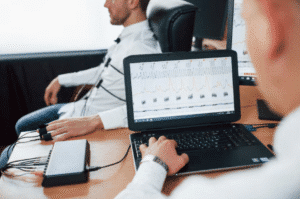
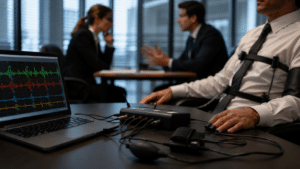
A polygraph, commonly called a lie detector test, records physiological responses while a person answers structured questions. However, it is not a way to directly catch someone if they are lying. Rather, the recorded responses are scored by a trained examiner using a known test procedure.
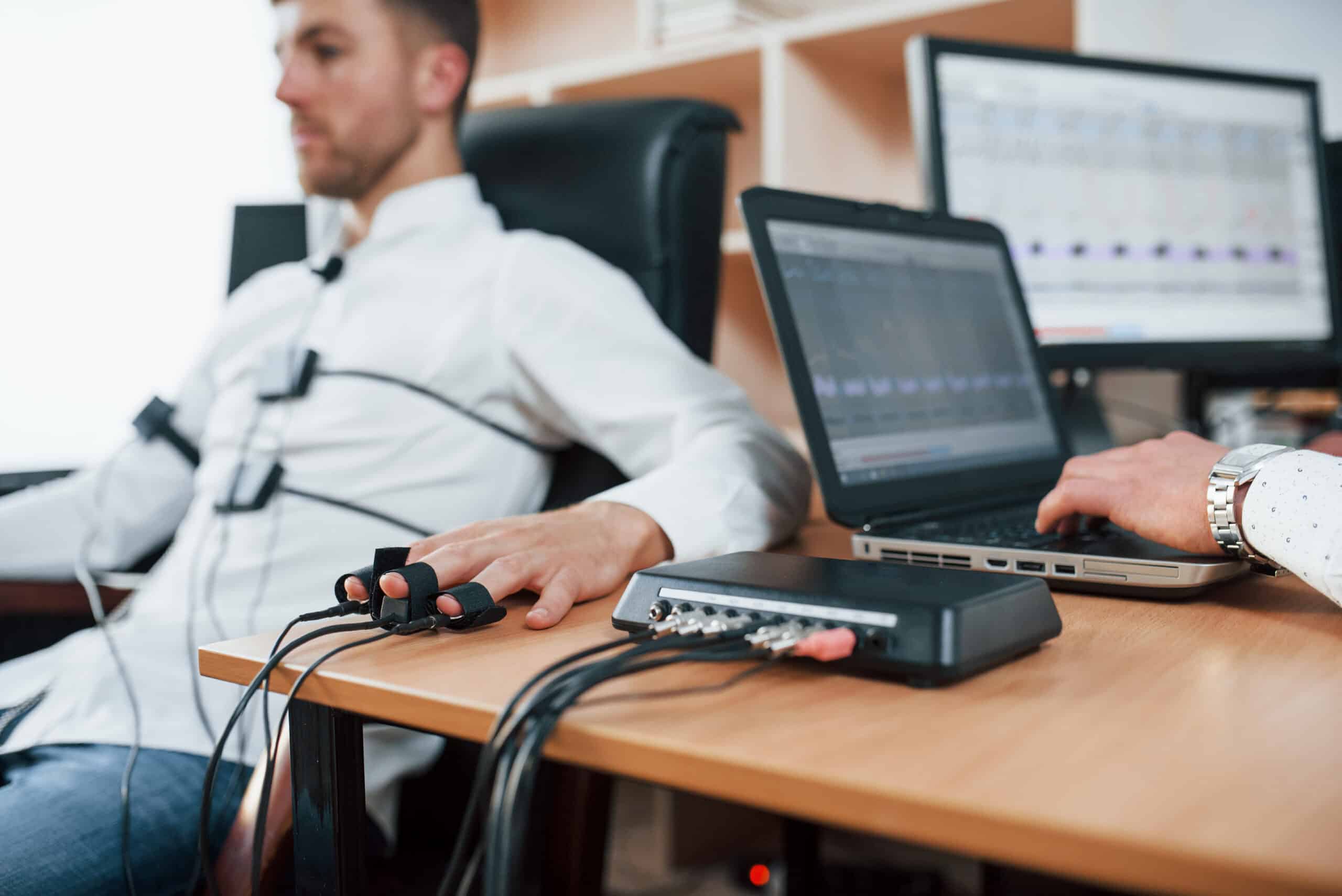
During the examination, the sensors are usually able to assess blood pressure, pulse rate, breathing patterns, skin conductivity, and body movement. Depending on the instrument and examination, additional components may also be used, such as a plethysmograph or blood-volume monitor. The process also involves pre-test discussion, question review, physiological data collection, and chart analysis. When exploring an issue that has been clearly defined, or, for instance, if there were a dispute over a financial transaction, clear and specific questions are especially relevant.
What Does a Lie Detector Test Measure?
A polygraph observes more physiological reactions than just a single physical reaction.
Cardiovascular Activity
Cardiovascular sensors record changes associated with blood pressure and pulse activity while questions are answered. These reactions are components of the physiologic information gathered in examining the subject.
Respiration
The respiration sensors detect the breathing patterns, such as changes in relative amplitude and the breathing rate. These responses are assessed in conjunction with the other recorded measurements.
Electrodermal Activity
Electrodermal sensors detect the increase in skin conductivity caused by activity of the sweat glands. This response is commonly called electrodermal activity or skin conductance.
These measurements do not independently establish whether someone is telling the truth. They provide physiological data that the examiner interprets within the context of the questions and testing method.
What Research Says About Polygraph Accuracy
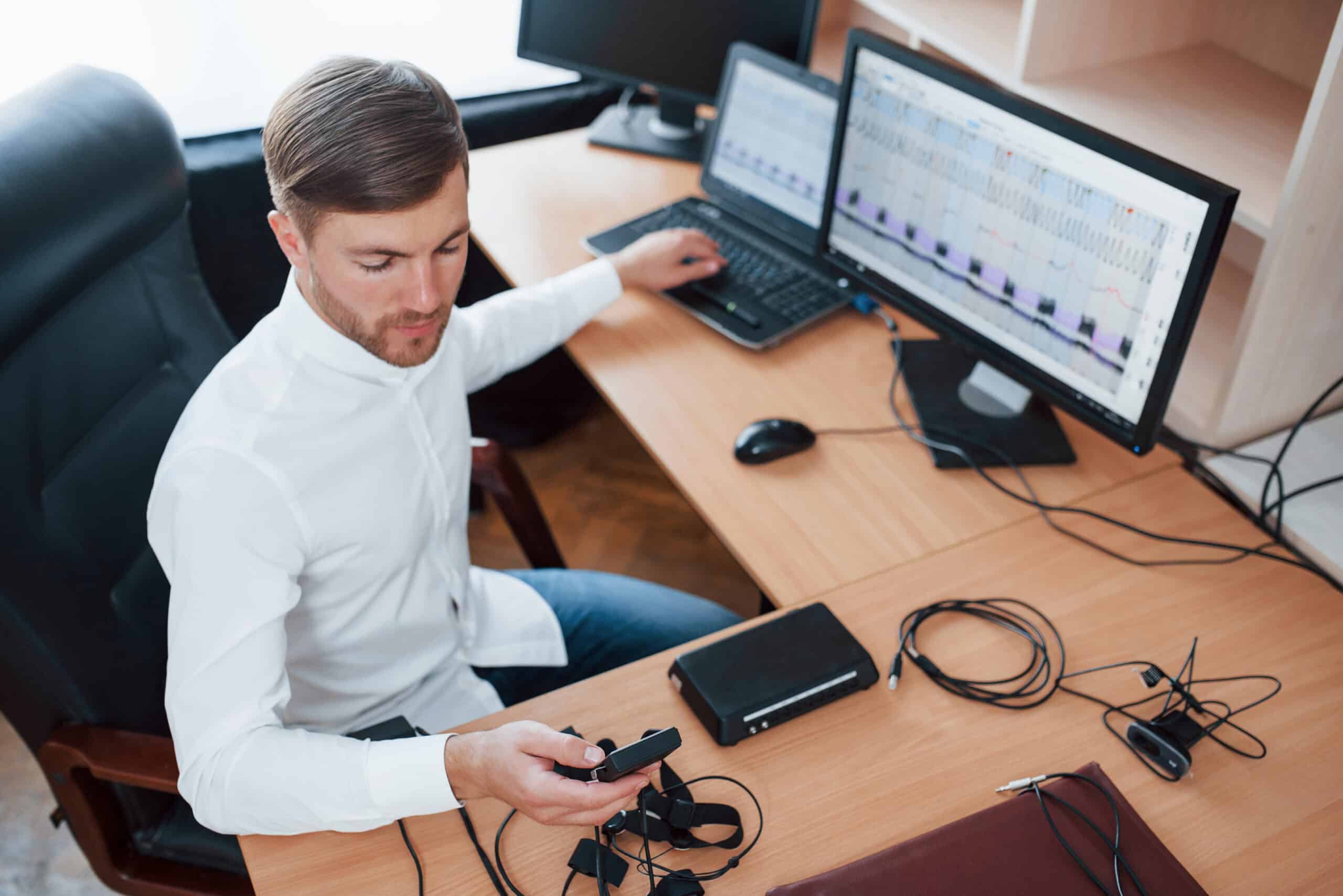
There is no single accuracy rate for every lie detector test. Results can vary based on the testing technique, question design, issue being examined, and examination conditions.
Research reviewed by the American Psychological Association indicates that polygraph testing has limitations, and physiological responses cannot directly establish whether a person is telling the truth.
For financial disputes, accuracy should therefore be considered in the context of the specific testing method, clearly defined issue, and conditions of the examination rather than as a universal percentage.
What Factors Affect Lie Detector Test Accuracy?
Several factors can affect the quality and interpretation of a polygraph examination.
- Question construction: Questions should be clear, relevant, and sufficiently specific to the issue being examined.
- Testing technique: Different validated techniques have different research bases and applications.
- Examiner qualifications: Training and experience can influence how questions are developed, examinations are conducted, and charts are analyzed.
- Physiological data: Physical movement, chart artifacts, or insufficient data can complicate interpretation.
- Specificity of the issue: A narrowly defined question is different from a broad question involving several events.
- Testing conditions: Individual physiological responses and circumstances surrounding an examination can also affect the recorded data.
These factors show why professional testing involves more than attaching sensors and asking questions. Preparation, question development, data collection, and analysis all contribute to the examination.
Can a Lie Detector Test Clarify an Undisclosed Financial Transaction?
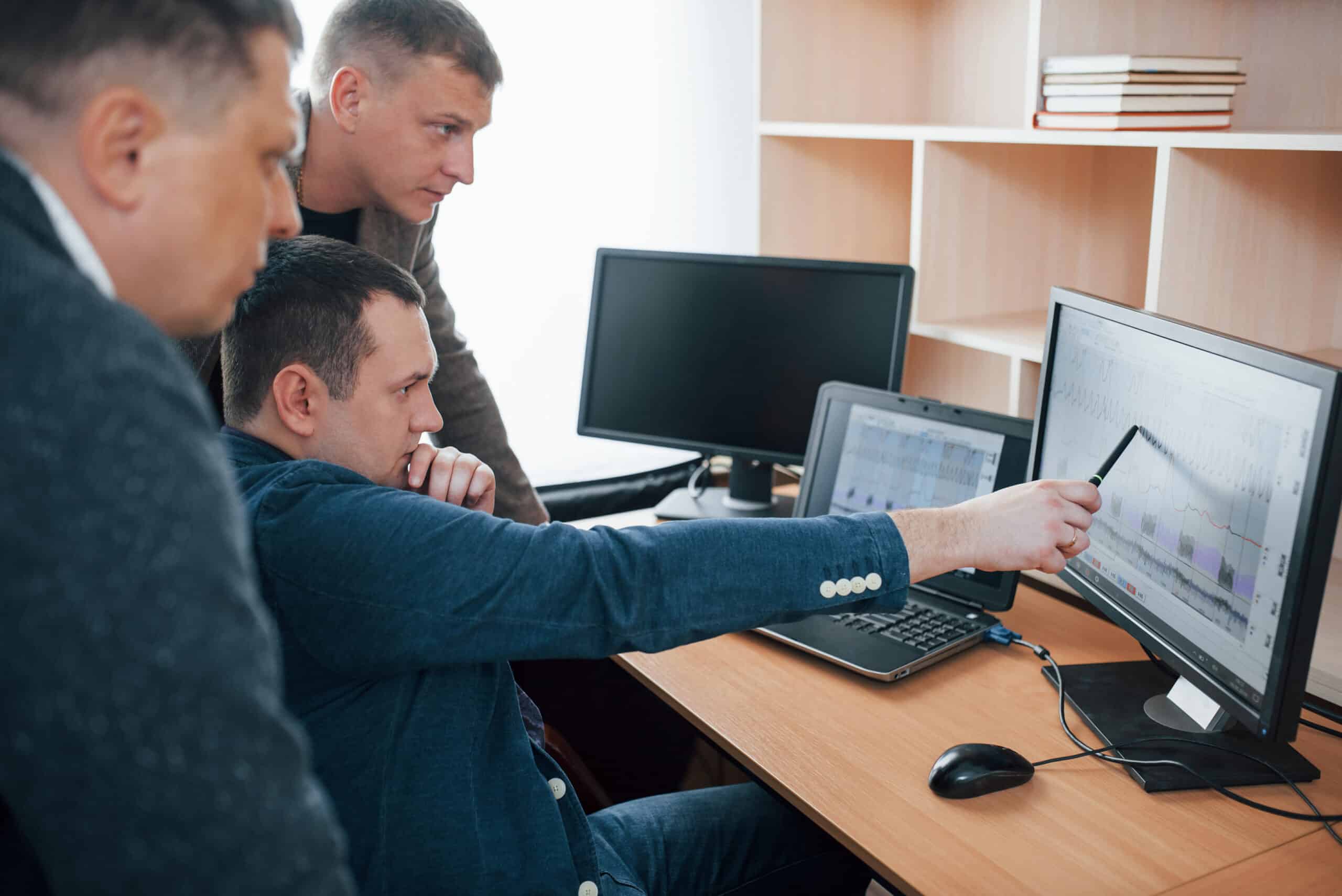
Yes, a polygraph may provide additional information when a financial dispute involves a specific, clearly defined question about a person’s knowledge, involvement, or actions. For example, a bank statement may confirm that an unexplained transfer occurred, while a polygraph may address a specific question about whether someone authorized that transfer or took a particular amount of money.
This differs from asking whether someone has generally been dishonest about finances. A broad question can involve multiple events and circumstances, while a specific-issue examination focuses on a defined matter. The wording and scope of the question are therefore important when addressing a particular financial dispute.
A polygraph should be considered alongside other evidence rather than as standalone proof. Bank statements, accounting records, emails, messages, transaction histories, access logs, and witness accounts may establish facts that a physiological examination cannot. Global Polygraph Network connects individuals with polygraph examiners and provides information about examination procedures and testing methods.
Understanding the Role of Polygraph Testing
An undisclosed financial transaction can leave people with conflicting accounts and incomplete explanations. A lie detector test may provide additional information when an examination focuses on a specific question about a person’s knowledge or involvement in a transaction.
Knowing what a polygraph measures and how the examination works can help you understand what the results can and cannot tell you. When you are dealing with a disputed transaction, those results are best considered alongside financial records, communications, and other relevant evidence rather than as standalone proof.
If you are considering a polygraph to help clarify a financial dispute, Global Polygraph Network can connect you with qualified polygraph examiners and provide information about the testing process.
Frequently Asked Questions
1. How accurate are lie detector tests?
Single-issue polygraph testing has shown average accuracy rates of 90% to 95% in 2010 validation studies. However, accuracy varies depending on the testing method, question design, and examination conditions.
2. What physical responses does a lie detector measure?
A polygraph measures blood pressure, pulse rate, breathing, skin conductivity, and movement. Some equipment may also monitor blood volume.
3. Can a lie detector test be wrong?
Yes, because polygraph examinations are not infallible and methodological or physiological factors can affect interpretation.
4. Can someone beat a lie detector test?
There is no guaranteed method for defeating a properly administered polygraph, and attempts to manipulate physiological responses can affect the examination.
5. Do results prove innocence on their own?
No, a polygraph result is one source of information and does not independently establish innocence or resolve every aspect of a financial dispute.