
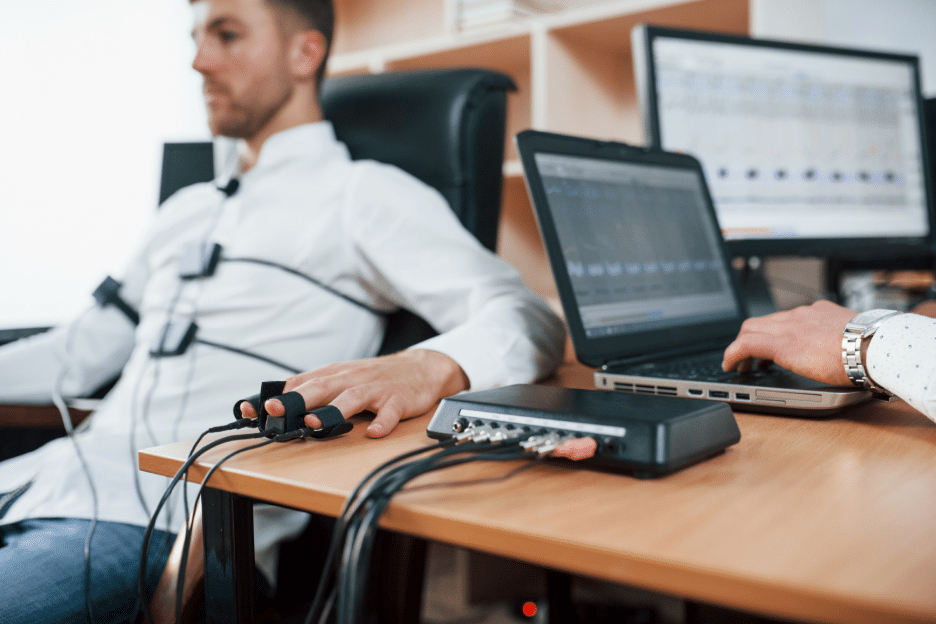
Adequate sleep is essential for our health.
It’s during sleep that growth hormones are released, stimulating physical growth and cell regeneration. Sleep also supports memory consolidation and self-healing processes like muscle repair.
It turns out that adequate sleep can impact the polygraph process, too. In fact, professional examiners underscore the significance of getting ample sleep the night preceding a lie detector test.
Read below as we explore the role of sleep on polygraph evaluations.
What Do Polygraphs Measure?
A lie detector measures deception-linked physiological arousal. The technique is premised on the assumption that when we consciously suppress the truth, our brains trigger a series of defensive reactions that alter several physiological functions.
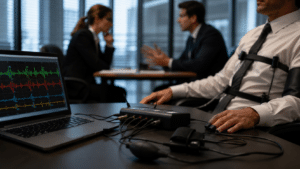
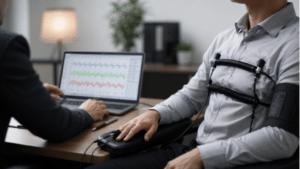
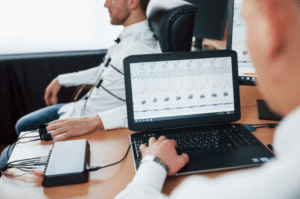
The modern polygraph instrument measures changes in;
- Blood pressure and heart rate – Measured by a cardiosphygmograph
- Respiration – Tracked by pneumographs
- Skin conductivity – Monitored by electrodermal sensors
All these functions are controlled by the autonomic nervous system (ANS).
The American Polygraph Association (APA) further requires modern lie detectors to incorporate motion sensors. For enhanced test accuracy, examiners may also video-record the procedure.
The Polygraph Process and the Significance of Ample Sleep
A polygraph exam is a rather straightforward process.
First, a client requests the tests and identifies an APA-certified polygrapher.
The examiner established contact with the potential examinee to discuss the upcoming evaluation. If the subject willfully consents, both parties agree on the exam venue, date, and time.
On D-Day, both the examiner and examinee arrive at the agreed-upon location. Examinees may tag other authorized personnel, such as attorneys, parents, or legal guardians.
The actual process occurs in three phases, each involving critical events as shown below;
Pre-test Phase
- Discussing the test issue
- Rapport building
- Baseline data collection
- Acquaintance testing
- Explaining the procedure
- Consent reconfirmation
In-test Phase
- Asking Relevant and Control questions
- Assessing the potential use of countermeasures
Post-test Phase
- Analyzing the in-test data against pre-test baselines
- Scoring the examiner
Examiners must prepare examinees adequately before a scheduled polygraph test, including emphasizing the importance of getting ample sleep. Examinees should get normal sleep the previous night to stay alert during a polygraph exam.
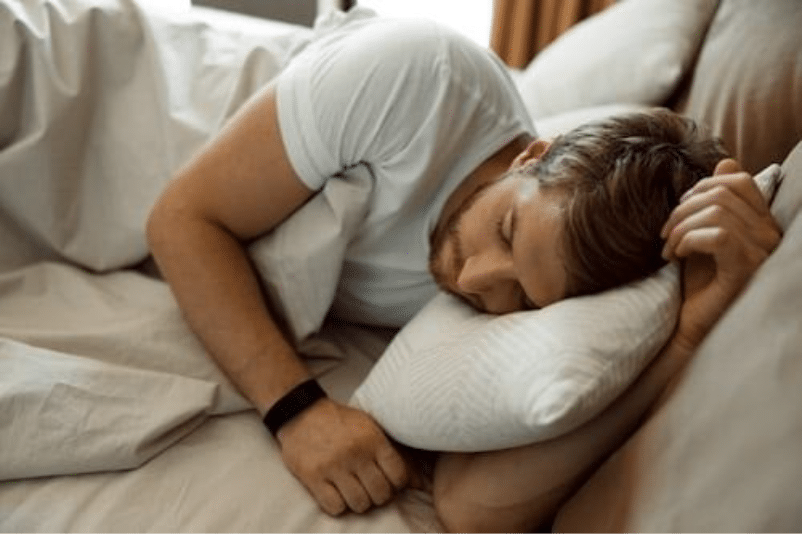
How Does Inadequate Sleep Impact the Polygraph Process?
1. Impairing Cognitive Performance
Polygraph’s success depends on memory recall. If an examinee cannot remember material details relating to the matter under investigation, they may unintentionally lie without experiencing deception-linked physiological arousal. This could reduce the accuracy of polygraph readings and lead to false positives.
Chronic sleep deprivation can impair an examinee’s memory, besides diminishing their attention span. Sleep-induced fatigue may also slow down the individual’s ability to understand polygraph questions, prolonging the process unduly.
2. Causing False Memories
While sleeplessness may produce memory lapse in some polygraph examinees, multiple studies indicate that certain individuals might experience full-on false memories.
False memory is one of the biggest impediments to polygraph accuracy. People with this condition genuinely believe their distorted realities, making them extremely difficult to polygraph.
3. Spiking Heart Rate and Blood Pressure
Research suggests that sleep deprivation can ramp up resting heart rate by 5 – 10 beats per minute (BPM). Considering the stressful nature of lie detector questions, not getting ample sleep can alter an examinee’s baseline reactions significantly.
There’s an abundance of research pointing to the correlation between sleep deprivation and blood pressure. While most studies explore the role of impaired sleep on chronic hypertension, inadequate rest may also cause short-term blood pressure spikes and interfere with cardiosphygmograph recordings.
4. Altered Breathing
Sleep deprivation can trigger mental anxiety. Elevated stress levels may present as physical exhaustion, leading to erratic breathing patterns.
Even with reliable baseline data, sleep-induced respiratory changes can exacerbate physiological reactions to in-test questioning and cause inaccurate pneumograph recordings.
5. Skin Conductivity
Poor sleep habits can cause fatigue and disrupt the physiological functions that activate normal perspiration. The body’s sweat glands slow down, with reduced sweating causing minimal skin conductance reactivity.

How to Prevent Insufficient Sleep From Interfering With Polygraph Tests
As noted, the most practical way to forestall sleep-related issues during polygraph tests is to prepare examinees adequately.
Examiners shouldn’t merely recommend getting ample sleep the night before the test. They should also discourage unhealthy sleep habits, such as;
- Using alcohol or psychoactive drugs
- Taking caffeine before bedtime
- Engaging in stimulating activities, such as watching video games into the night
Besides, examinees should report existing sleep problems in advance. That includes disclosing any sleep pills they’re currently using.
There should also be sufficient emphasis against deploying countermeasures, despite the intention. These techniques are counterproductive and may only cast further aspersions on an examinee’s credibility.
A professional examiner will review these facts and determine whether to proceed with the test or reschedule it.
And, on the exam day, an examinee shouldn’t discuss the test issue with anyone besides the examiner. This minimizes undue stress that may impact the test’s outcome.
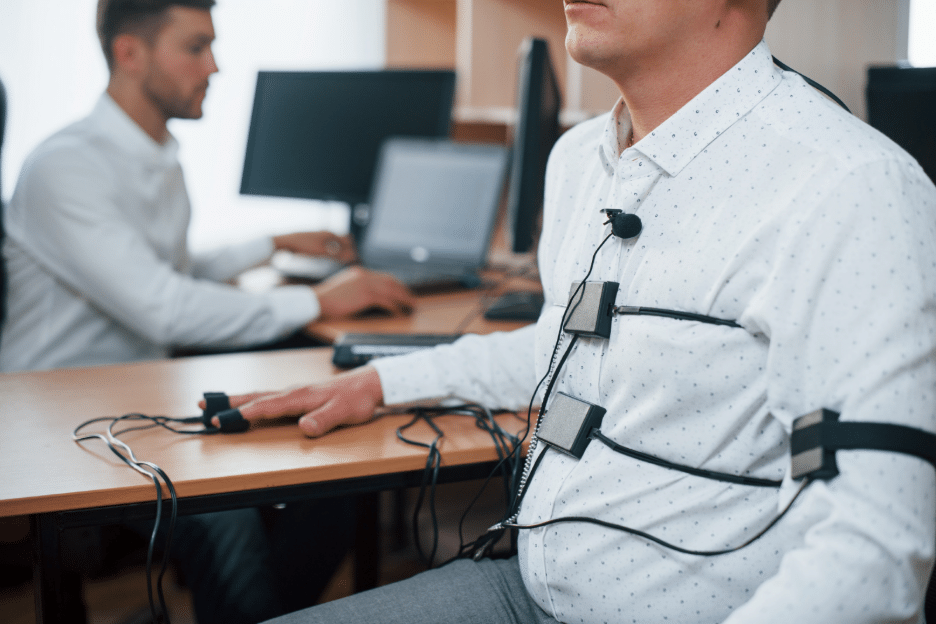
Minimizing In-Test Anxieties and Memory Lapses With Adequate Sleep
Sleep deprivation is a leading cause of anxiety. While polygraph tests typically don’t screen for mental stress, inadequate rest can trigger or exacerbate the physiological reactions targeted during polygraph screening.
Studies have shown that sleep impacts virtually all ANS-controlled physiological functions recorded by the polygraph instrument.
To minimize sleep-related polygraph anxieties, examiners must subject examinees to rigorous preliminary interviews to understand their sleep routines.
Professional examiners will leverage these one-on-one engagements to underscore the imperative of getting restful sleep the night before a scheduled polygraph test. Besides, the polygrapher will establish the existence of lifestyle habits, medical conditions, or medications that may impact the examinee’s sleep. Such must be addressed to conduct a credible lie detector test.