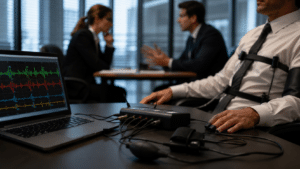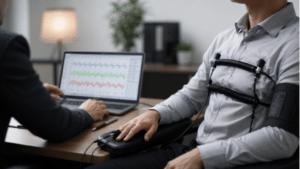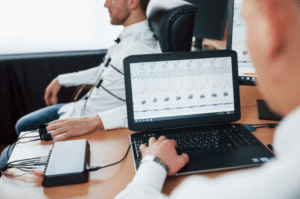

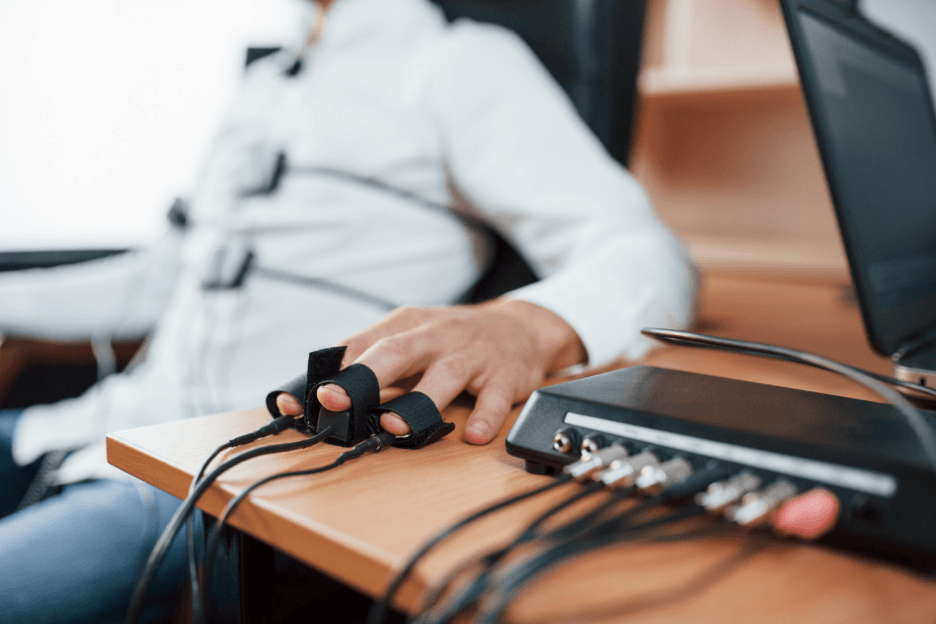
Adequate preparation determines the success of a polygraph exam. While preparing their examinees for lie detector tests, most polygraphers emphasize eating a balanced diet, staying hydrated, getting ample sleep the previous night, and wearing comfortable clothing.
All these are important. However, they’re only part of an elaborate process that also entails selecting the right testing location.
It doesn’t matter whether you’re planning a theft and loss lie detector test, immigration testing, or law enforcement polygraph. Without the right venue, conducting a credible polygraph exam can be a monumental challenge.
Here’s a look at how various environmental factors, like room setup, impact the outcome of lie detector tests.
1. Distance and Fatigue
Various estimates point to a shortage of polygraph examiners in the United States. For many clients, that could mean traveling hundreds of miles to the testing location.
Long-haul trips can cause fatigue and mood swings, impacting the outcome of a polygraph test. Your best bet is to schedule an exam in your local city.
Note that many states don’t issue polygraph licenses. If yours does, it would be best to work with a duly licensed examiner.
And, if you must take a polygraph exam out of town, arrive at the testing location hours prior. This enables you to ease travel fatigue and familiarize yourself with the environment before taking the test.
2. Room Size and Anxiety
Tiny rooms can elevate baseline anxiety, intensifying the physiological responses to lie detector questions.
Now, there’s inconclusive evidence that nervousness directly impacts polygraph accuracy. That’s because lie detector tests measure physiological reactions to deception rather than psychological stress.
Polygraphs monitor changes in blood pressure, respiration, and perspiration, all of which are regulated by the autonomic nervous system (ANS).
However, the ANS also controls the body’s stress responses. So, minimizing in-text anxiety is essential to conducting a credible lie detector test.
Examiners must choose a spacious and comfortable room, particularly when conducting trauma-informed tests. 150 – 200 square feet is the ideal size. Such rooms can comfortably accommodate;
- Examiner’s workstation
- Examinee’s chair
- Any secondary equipment, such as video cameras
Similarly, very large rooms can feel impersonal and pose acoustic challenges. The constant echoing may hamper examiner-examinee communication and impact audio recording quality.
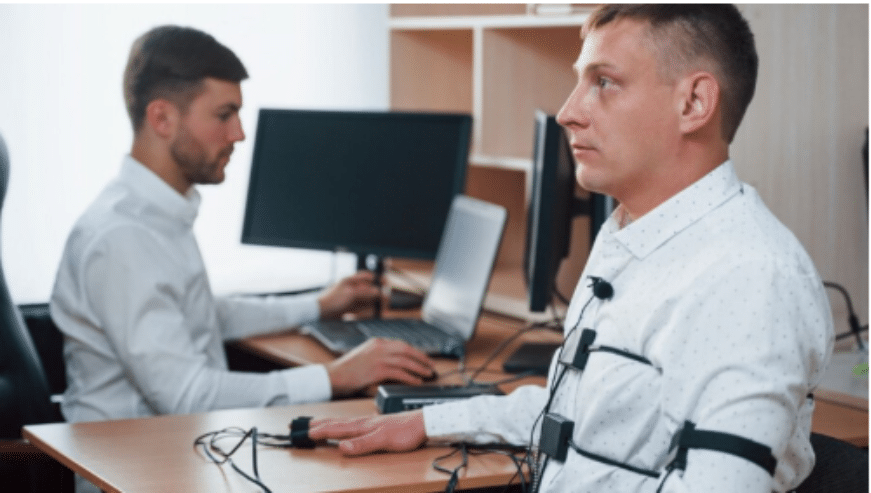
3. Room Décor and Distraction
The American Polygraph Association (APA) requires examiners to conduct lie detector tests in rooms that are free from visual distractions.
Excess wall art, ornaments, and wall clocks can cause divided attention, throwing examinees off balance. Examiners should remove such distractions or cover them with neutral backgrounds.
Room color equally matters.
Brilliant whites, yellows, and reds are visually overwhelming and may raise mental anxiety. Cooler shades would be ideal.
4. Background Noise and Undesired Stimuli
A polygraph room should be whisper-silent, with the only sounds coming from examiner-examinee conversations. The environment should be free from various auditory distractions, including;
- Traffic noises
- Construction noise
- Hallway conversations
- HVAC systems
- Phone calls
A quiet polygraph room maximizes the signal-to-noise ratio (SNR), enhancing communication between examiner and examinee.
Many experts recommend keeping the noise levels below 40 dB(A). If the environment suddenly becomes uncontrollably noisy, it’s best to reschedule the test.
5. Lighting and Discomfort
Excess lighting can cause discomfort, anxiety, and frequent in-test disruptions. Whether it’s glaring beams or flickering bulbs, these conditions may overwhelm the examinee’s eyesight and trigger unintended arousal.
Inadequate lighting is no better.
Taking a polygraph exam in dim conditions can cause anxiety in examinees and interfere with their physiological baselines. Besides, it may prevent the examiner (or their video recorder) from picking crucial nonverbal cues.
Aim for ambient light conditions of 300 – 500 lux. More importantly, ensure the lighting is consistent, diffused, and comfortable from the examinee’s viewpoint.
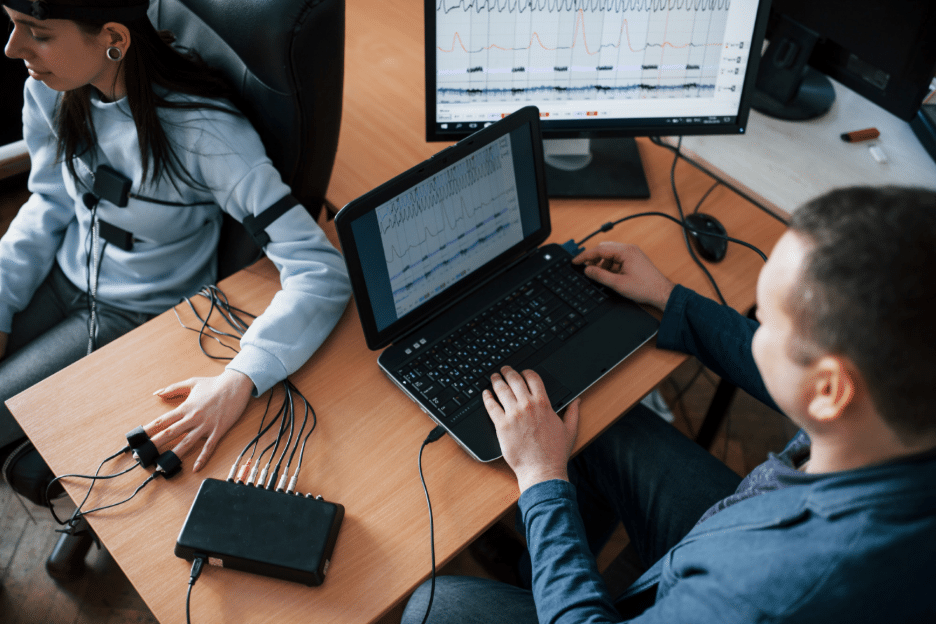
6. Temperature and Perspiration
Searing heat can exacerbate sweating, potentially falsifying the physiological data captured by electrodermal sensors. High temperatures might also cause general anxiety and discomfort.
Besides, research suggests that extreme heat may increase heart rate and respiratory activity.
The combination of high perspiration, elevated heart rate, and increased respiration can alter an examinee’s baselines during in-test questioning, potentially minimizing the test’s accuracy.
According to the APA, examiners must maintain consistent ambient temperature to minimize vasomotor fluctuations. The room shouldn’t be too hot or too cold.
7. The Crowd and a False Sense of Comfort
There’s safety in numbers, right? Well, not so when it comes to polygraph exams.
The presence of unauthorized persons in a polygraph room can cause undue anxiety, potentially altering the examinee’s physiological baselines. That’s precisely why on-screen lie detector tests are highly inaccurate despite popular misconceptions.
However, certain polygraph exams may require third parties. Examples include;
- Probation officers – When polygraphing sex offenders
- Defense attorneys – Necessary for most law enforcement polygraphs
- Interpreters – If the examinee does not speak the examiner’s language fluently
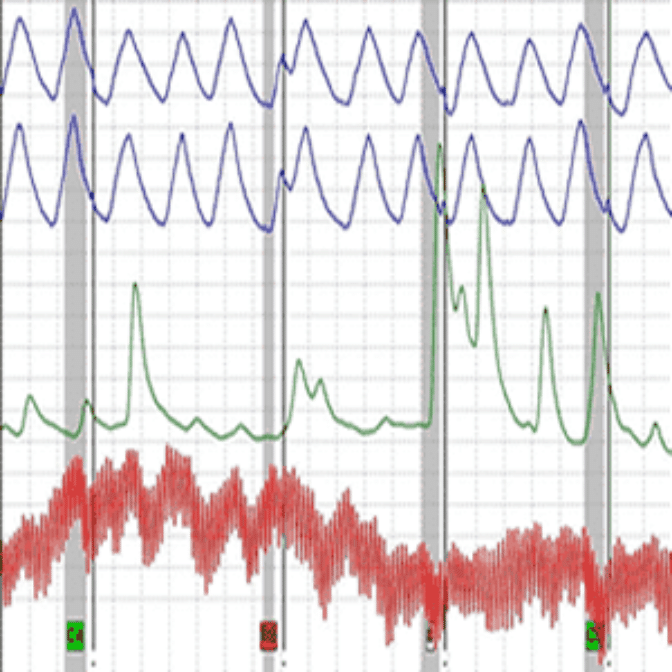
Minimizing Environmental Bias With Mutual Venue Selection
The polygraph testing location can impact the test’s outcome in diverse ways. From unsettling noises causing blood pressure spikes to excruciating heat exacerbating perspiration, addressing these aspects is essential before moving ahead with a lie detector test.
Examiners must follow the APA’s standards while selecting appropriate polygraph testing locations. Besides, both examiners and examinees should mutually agree on the venue (plus date and time) to ensure a credible outcome.
But selecting a proper polygraph testing location isn’t enough. To improve the test’s validity, polygraphers should ask fair and objective questions.
Each question should help uncover the truth rather than seek to incriminate the examinee. And, at the end of each test, examiners must follow APA-validated scoring techniques to minimize error rates.