
Failing a lie detector test can be a distressing experience. But it’s not the end of the world.
In fact, failing a polygraph test doesn’t necessarily imply guilt or deception. While a Deception Indicated (DI) verdict may cast severe aspersions on your credibility, it can result from several reasons other than an intentional desire to suppress the truth.
Read below as we highlight what could cause you fail a polygraph exam. The post shall also explore the steps to take after returning a DI verdict, and how swift action can restore confidence in your name and reputation.
Introducing Polygraph Test
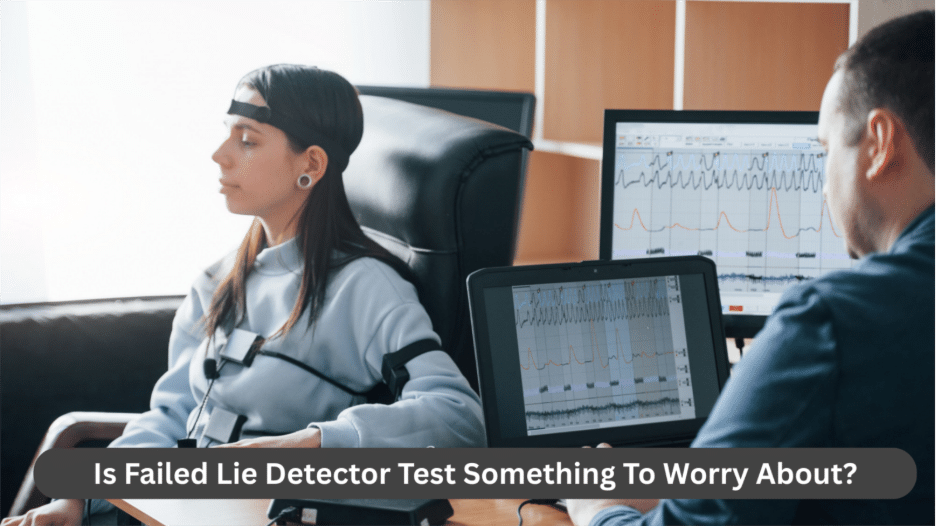
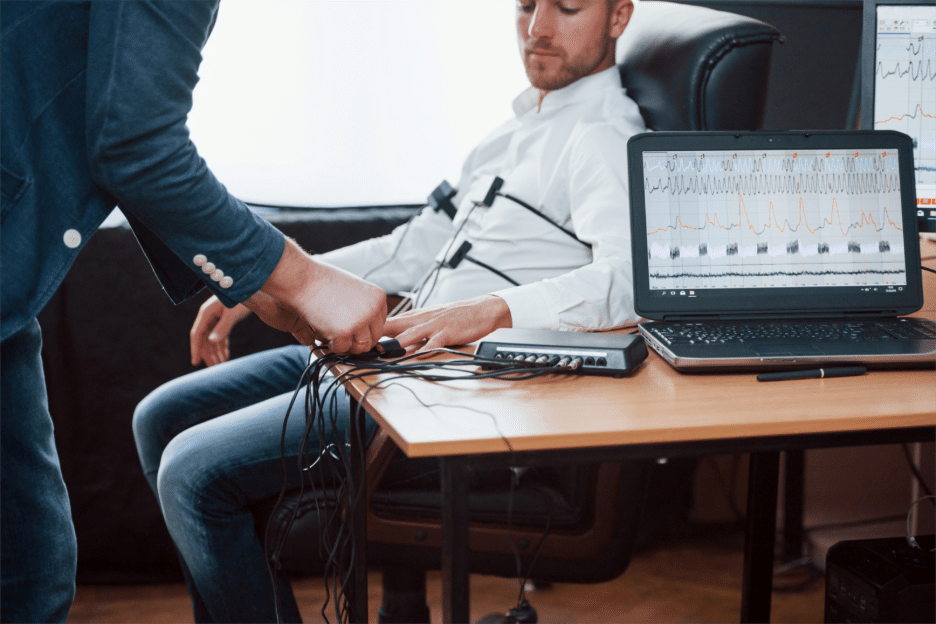
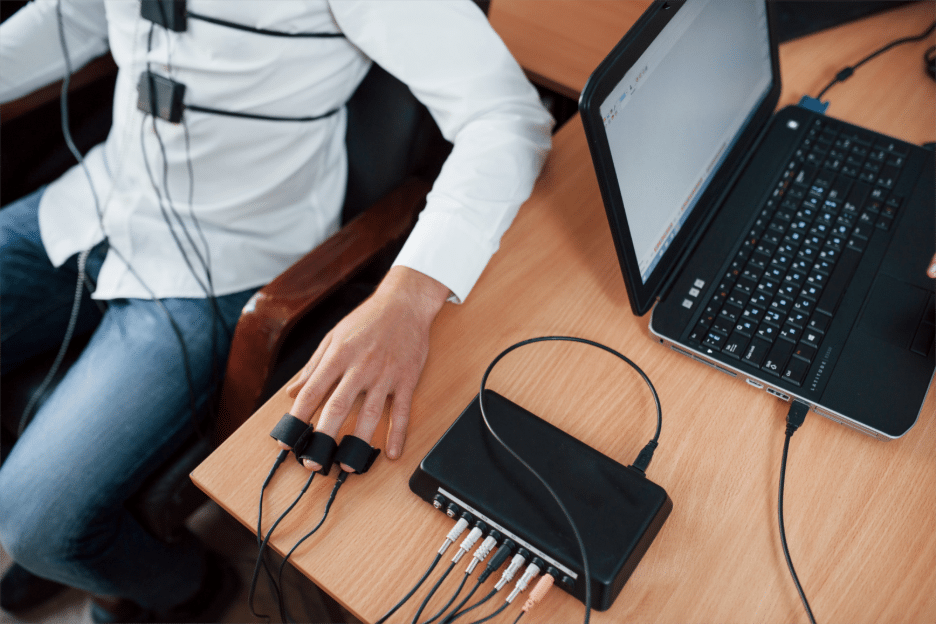
Polygraphs measure changes in involuntary physiological functions linked to deception. While the machines don’t discern deception literally, they can provide useful hints of physiological arousal.
Commonly measured variables are respiration, perspiration, and blood pressure.
Contrary to the misconception, a lie detector test doesn’t monitor mental stress. The technique has proven reliable even for certain mental health patients.
Sure, you must approach every lie detector test calmly. But there’s no cause for alarm if you have an underlying anxiety disorder.
A skilled examiner will reference your physiological baseline data to reliably infer honesty or deception.
But, while polygraph exams are remarkably effective at sniffing out liars, cases abound where guilty individuals passed the tests. Even more concerning is when an innocent and honest examinee fails these evaluations.

Why Might You Fail a Polygraph Test?
Deception is the obvious reason for failing a polygraph exam. But as mentioned, innocent individuals occasionally fail lie detector tests.
False positives could be due to any of the following reasons;
1. Inadequate Examinee Preparation
Fatigue, low blood sugar, and reduced mental concentration can lead to failed lie detector tests.
A good practice is to get adequate sleep prior to undertaking a polygraph exam. Besides, eat something ahead of the test.
These interventions will rev up your glucose levels, minimizing in-test fatigue and anxiety.
2. Wrong Testing Methodologies
The American Polygraph Association (APA) has published several polygraph validation standards that examiners must stick to.
While certain non-validated methods (such as the AMGQT and the R/I) are somewhat effective, using unapproved polygraph techniques can lead to false positives.
3. Limited Examinee Understanding of the Polygraph Process
In-test incidents, such as frequent body shifting, can result in a failed polygraph test. Such mistakes often spring from an examinee’s limited understanding of how the process works.
To mitigate these incidents, examinees must be sufficiently informed about the polygraph procedure and their role in minimizing error rates. That includes advising against using countermeasures.
While countermeasures are commonly deployed by guilty examinees, innocent individuals may also use them to reinforce their answers. However, studies have found these tactics to be counterproductive. You simply cannot embellish the truth.
4. Poorly Designed Questions
The APA stipulates guidelines for designing polygraph questions.
For instance, lie detector test questions should be topic-relevant. The queries should also elicit a flat ‘Yes’ or ‘No’ answer, with no room for narrations.
Most importantly, polygraph questions should assume a neutral, objective, and non-accusatory tone.
Steps to Take After a Failed Polygraph Test
It’s natural to feel depressed upon receiving feedback that you failed a lie detector test, particularly if it was a high-stakes evaluation. Numerous questions will start to race through your mind.
What might I have gotten wrong? Wasn’t my memory crystal clear? Did I misrepresent certain facts? Etc.
However, don’t let anxiety bog you down. If you’re innocent, the best response is to remain calm.
Unprofessional examiners may press you harder to extract a confession or have you change your story. Don’t fall for these tricks, because they won’t change the truth.
After getting yourself together, take the following steps;
1. Provide Context
Context is critical in post-test interviews.
Before compiling the final report, an examiner will ask you to explain some of your responses.
Clarify whether certain questions were unclear or elicited strong emotional responses, potentially leading to incorrect results.
2. Notify Your Attorney
Submitting to a polygraph test means you agree to abide by the consequences. And the repercussions can be far-reaching, especially if the exam is part of a criminal investigation.
Therefore, contact your attorney immediately and inform them of the outcome.
In fact, it’s best to engage a lawyer before submitting to a criminal defense lie detector test. They’ll weigh the legal implications and advise on whether you should take the test.
3. Request for Independent Reviews
Examiner error may lead to inaccurate data interpretation and, consequently, a false positive result.
In that case, enlist a seasoned polygrapher to review the findings.
4. Request a Re-test
As a last resort, request a second polygraph.
It’s best to have the retest conducted by a different polygrapher and machine.
This rules out examiner error, minimizing false positive risks.
Minimizing False Positives with Adequate Preparation
No polygraph exam can be 100% accurate. Despite the testing methodology used and the subject under investigation, lie detector tests will always have an error margin.
Adequate preparation is the most proactive way to minimize false positives in polygraph exams.
Get sufficient sleep the night before a lie detector test. Be sure to also consume a balanced diet, consume stimulant foods like coffee in moderation hours before the evaluation.
It’s also best to inform your examiner if you have an underlying medical condition or are on prescription meds.
And if you believe you failed a polygraph evaluation unfairly, seek a second opinion by having the findings peer-reviewed. Better yet, schedule another test altogether.