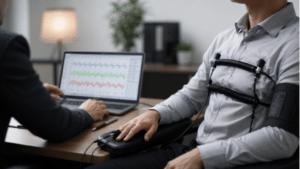


In civil disputes, there are often conflicting accounts, limited evidence, or unanswered questions that make it difficult to come to a resolution or establish what happened. Whether it is a disagreement within a business, a property dispute, or any other type of private dispute, discussions do not always provide clear answers. As a result, some individuals seek a more systematic way to assess a particular issue.
A lie detector test, or polygraph examination, can be one choice. However, a polygraph does not automatically determine truth or deception. Instead, it records physiological activity while a trained examiner asks carefully structured questions and evaluates the recorded data using validated testing techniques.
Before scheduling the examination, it is essential to first know whether the controversy is appropriate for examination and what the test will entail.
This article explains what you should know before scheduling a lie detector test for a civil dispute and what to expect throughout the examination process.
Determine Whether Your Civil Dispute Is Suitable
The examination is scheduled only after determining that the matter can be tested by asking carefully formulated simple “yes” or “no” questions. Questions that are based on opinion, assumption, future events, or more than one issue are not typically appropriate, as they reduce the effectiveness of the examination.
Therefore, clearly defining one issue before the examination begins helps ensure that validated testing techniques can be applied effectively and that there is sufficient physiological data for professional evaluation.
Understand What Happens Before the Examination
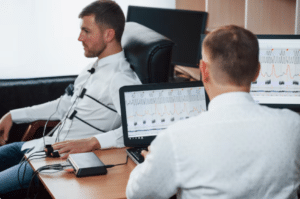
Scheduling the examination is only the first step. Before any physiological recordings begin, the examiner conducts an initial discussion to understand the issue and determine whether the examination is appropriate.
The next stage is the pre-test interview, which is one of the most important parts of the examination. During this interview, the examiner explains the testing procedure, reviews the issue being examined, and discusses every question that will be asked. This allows the examinee to fully understand each question before testing begins and helps eliminate misunderstandings that could affect the examination.
The examiner may also review medical conditions, medication use, recent illness, emotional condition, and other factors that could affect physiological recordings. This helps determine whether testing conditions are suitable before proceeding.
Know How the Polygraph Examination Works
A common misconception is that a polygraph automatically detects deception. In reality, the instrument records several physiological activities simultaneously while the examinee answers structured questions. The word polygraph means “many writings,” referring to the simultaneous recording of multiple physiological measurements.
The instrument records physiological activity associated with the autonomic nervous system, including:
- Respiration
- Blood pressure and pulse rate
- Electrodermal activity (skin conductance)
- Additional components, such as motion sensors, when appropriate
Rather than relying on one reaction, the examiner evaluates the complete pattern of physiological recordings using validated testing techniques and standardized scoring procedures.
Factors That Influence Examination Quality
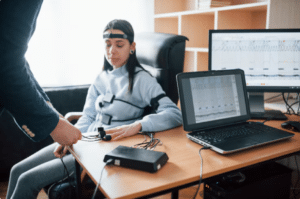
Several factors contribute to the quality of a professional polygraph examination. Understanding these before scheduling helps set realistic expectations.
Specific-Issue Format — Examiners emphasize that examinations addressing one clearly defined issue generally provide the most reliable results. Adding additional relevant questions increases the potential for error.
Question Design — Questions should be clearly worded, limited to one issue, and answerable with a simple “yes” or “no.” Proper question formulation is an important part of every professional examination.
Examiner Qualifications
— Examination quality depends heavily on examiner training, continuing education, experience, and quality control review. According to Global Polygraph Network, examiners are graduates of American Polygraph Association (APA)-accredited schools, participate in continuing education, and follow validated testing techniques and professional standards.
Testing Conditions — Physical illness, medication use, fatigue, emotional distress, or an inability to follow instructions may affect physiological recordings. The examiner considers these factors before deciding whether testing should proceed.
What Happens After the Examination?
After the examination is completed, the examiner analyzes the physiological recordings using validated scoring methods and the standards associated with the testing technique being used. The evaluation considers the complete pattern of physiological responses rather than any single reaction.
The examiner then forms a diagnostic opinion based on the physiological recordings, the examination procedure, and standardized evaluation methods. The opinion reflects the complete examination process rather than one isolated response or individual question.
For civil disputes, a professionally conducted polygraph examination can serve as a diagnostic tool when the issue is appropriate for a specific-issue examination, and the testing process follows validated professional standards.
Conclusion
Scheduling a lie detector test for a civil dispute involves more than choosing a testing date. Before proceeding, it is important to determine whether the issue is suitable for a specific-issue examination, ensure that the questions can be clearly defined, and understand the professional procedures involved.
A qualified examiner, a thorough pre-test interview, properly formulated questions, validated testing techniques, and appropriate examination conditions all contribute to a meaningful examination. Understanding these steps before scheduling helps ensure that the examination is conducted according to recognized professional standards and that the recorded physiological data can be evaluated fairly and consistently.