
Many people have been falsely accused of wrongdoing at some point. In fact, several previous surveys have found that thousands of innocent individuals languish in our corrections facilities while the guilty ones remain on the outside.
But being falsely accused of a crime doesn’t mean you’re out of options.
According to the National Registry of Exonerations, 3,646 wrongfully convicted Americans were exonerated between 1989 and 2024. And while these figures translate to slightly over 110 exonerations annually, they signal a significant step towards fighting wrongful convictions.
However, incarceration isn’t the only dreaded consequence of false accusations. Merely having your name dragged in an offence – criminal or ethical – can taint your reputation severely.
Fortunately, such are the instances where a polygraph evaluation can make a significant difference. Taking a lie detector test may help you defend your innocence, restoring faith in your name and reputation.
What Do Polygraphs Measure?
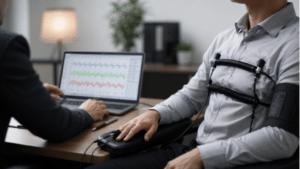
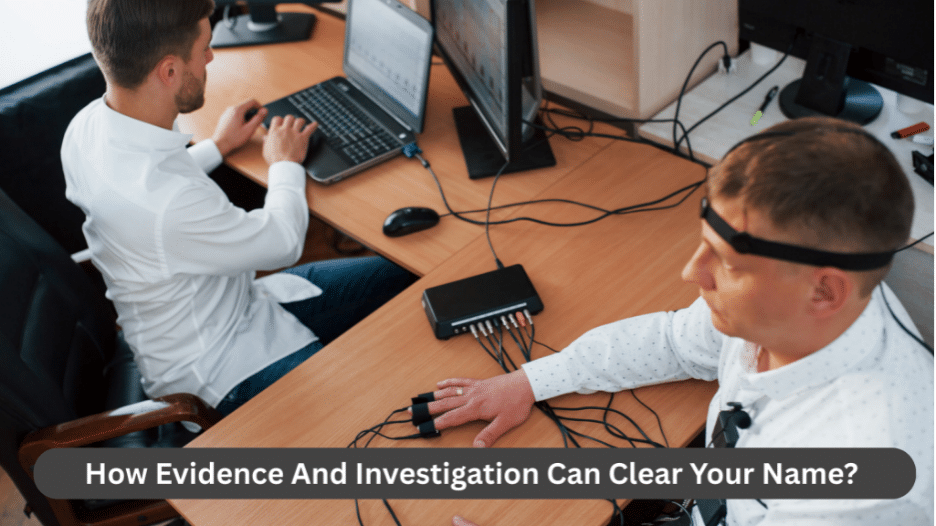
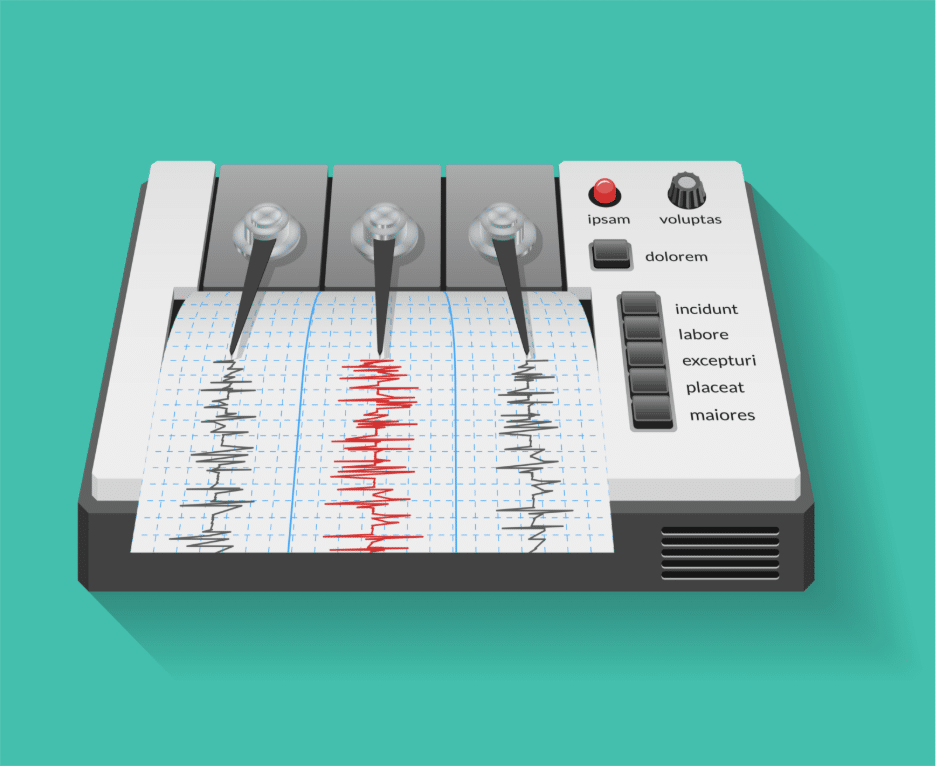
Lie detector tests measure deception-linked peripheral physiological responses, including blood pressure, respiration, and electrodermal activity. The autonomic nervous system (ANS) controls all three functions.
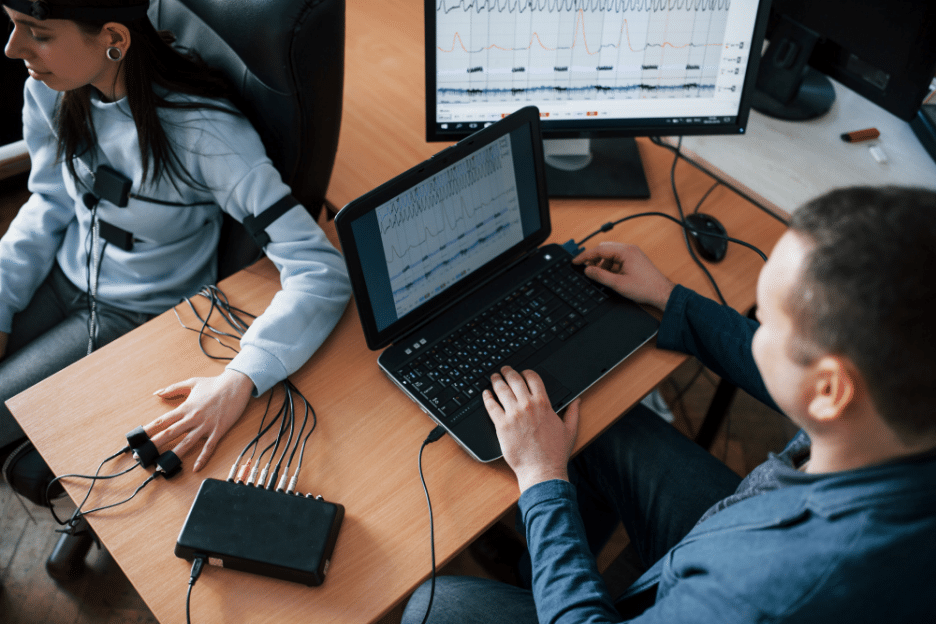
Each time an examinee responds to questions during a polygraph test, the polygraph instrument captures fluctuations in the three parameters. Examiners can later infer deception by comparing the magnitude of relevant vis-a-vis the control questions.
Note that the ANS regulates the “fight-or-flight” response, too. Therefore, it plays a critical role in stress management.
Which begs the question – can anxiety alter polygraph outcome?
Fortunately, no! Polygraphers are trained to leverage baseline data in discerning between genuine physiological reactions and those triggered by mental anxiety.
Getting Started With a False Accusation
If you’ve been wrongly accused, strive to understand the depth and implications of the allegations before scheduling a lie detector test.
You may also want to define your accusers by age and relationship. Besides, establish if the plaintiffs have any reasonable evidence against you.
Next, gather proper counterevidence. Evidence can be physical, digital, or biological, depending on the matter under investigation.
Consider the following;
- Alibis – Video footage, GPS data, receipts, or witness statements putting you elsewhere
- Documentation – Text messages, photos, or emails (best for sexual offense allegations)
- Witnesses – People ready to corroborate your version of events
Confront your accusers with your own evidence and see if they can drop the trumped-up claims. If they’re adamant, it’s time to double down with a polygraph test.
How Polygraph Exams Might Help Clear Your Name?
1. Supporting Circumstantial Evidence
Polygraph testing isn’t always the first resort when facing wrongful accusations.
A lie detector test would come in handy where your credibility remains under attack, despite presenting compelling circumstantial evidence.
Can’t convince your business associate that you were on leave when an embezzlement occurred? Well, there’s no cause for alarm!
Simply request a lie detector test. By passing the exam, you can solidify your alibi and steer the investigation in a different direction.
2. Resolving Baseless Accusations
False accusations can weigh heavily on your mental and psychological health. But when it’s your word against your accuser’s, a polygraph exam might bridge the gap by providing supportive evidence.
Request a lie detector test and respond truthfully to every question.
If the findings return a No Deception Indicated (NDI) verdict, you can argue your innocence and request that your accusers withdraw the charges.
3. Rebuilding a Fractured Reputation
Wrongful accusations have a way of tainting an otherwise impeccable reputation.
It doesn’t matter if it’s a theft within the family or bullying in college. Getting caught up in these allegations can draw undue spotlight on you, soiling your good name.
Passing a polygraph exam can help clear your name of the accused offense. Besides, it validates your integrity and marks a critical step towards rebuilding a tainted reputation.
4. Helping Nab Actual Perpetrators
A piece of jewelry has turned up missing, and there were only three of you in the house.
By passing a lie detector test, you’ll consequently shift the spotlight to your other two roommates.
Polygraph testing isn’t only about getting off the hook. The technique can help shrink the suspect list, hunkering down to the actual perpetrators.
5. Providing Deterrence
Polygraph exams may provide effective deterrence, especially when dealing with psychological liars.
A sociopathic friend will think twice before falsely accusing you if they know they’ll need to defend their allegations via a polygraph test.
Scenarios Where Lie Detector Tests May Come In Handy
Polygraph tests remain inadmissible in most criminal proceedings throughout the United States. If you’re a defendant in a judicial case, consult your attorney before requesting a criminal defense lie detector test.
That said, lie detector tests can help clear your name in the following civil matters;
- Theft within the family or among friends
- Financial embezzlement among business partners
- Sexual harassment in the neighborhood
- Bullying in school
- Infidelity allegations
- Alcohol and substance abuse allegations
- Screening for performance-enhancing drugs (PEDs) in sports

Leveraging Polygraph Testing to Salvage Your Life and Reputation
Getting falsely accused of an offence can be distressing. Besides ruining your reputation, certain allegations may lead to wrongful convictions and have you serve years behind bars.
Good news is – you can defend your innocence by requesting a lie detector test.
Polygraph testing may resolve false accusations by bolstering circumstantial evidence. Passing these evaluations allows investigations to shift to other suspects, as you focus on rebuilding your name.
Lie detector tests may be inadmissible in many courts. But if professionally administered, they can help resolve civil matters like cheating allegations and theft among friends.
Note that credible lie detector tests require mutual agreement. Get the other party to willfully consent before going ahead with a polygraph exam.
More importantly, enlist an experienced polygrapher to administer the test.