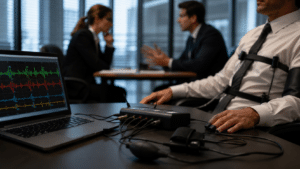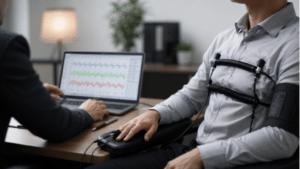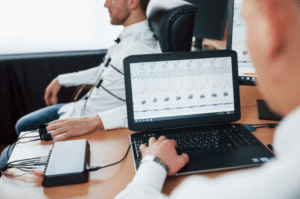

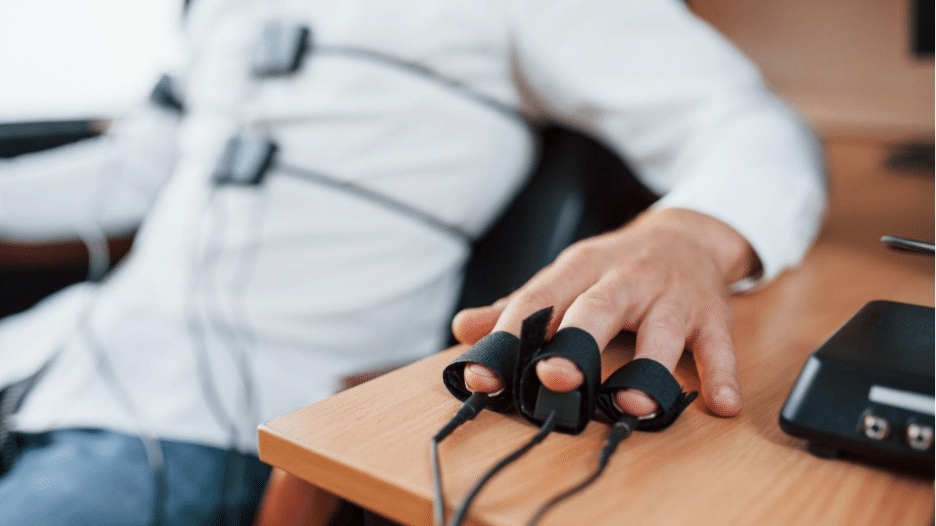
Intimidation in polygraph tests isn’t new. Indeed, cases abound where unprofessional examiners deployed underhanded tactics to extract confessions from examinees.
Some polygraphers may threaten their subjects with severe consequences if they don’t “own up to their crimes.” Such examiners cherry-pick when to invoke the doctrine of presumption of innocence, based on their desired outcome in a polygraph process.
Besides, there are instances where polygraphers threaten to cut short a lie detector test unless examinees respond in a particular manner. Not to mention sheer bias due to factors like the examinee’s cultural background, age, and profession.
Knowing how to handle intimidation during polygraph tests isn’t just about invoking your Fifth Amendment Rights. It’s also an opportunity to confront and possibly report gross examiner misconduct.
Read below as we unpack some tips on how to push back on intimidating behavior during lie detector evaluations.
The Place of Intimidation in Lie Detector Tests
Intimidation, or coercion, is one of the ethical issues surrounding polygraph exams.
Despite the motivation, an examiner should never compel an examinee to incriminate themselves. Wilful participation by the examinee and objective questioning by the examiner are critical to conducting a successful lie detector test.
In fact, the Fifth Amendment Rights expressly protects against self-incrimination. While polygraph findings are legally inadmissible in some judicial proceedings, such reports would be disallowed even more quickly if there’s reasonable proof of coercion.
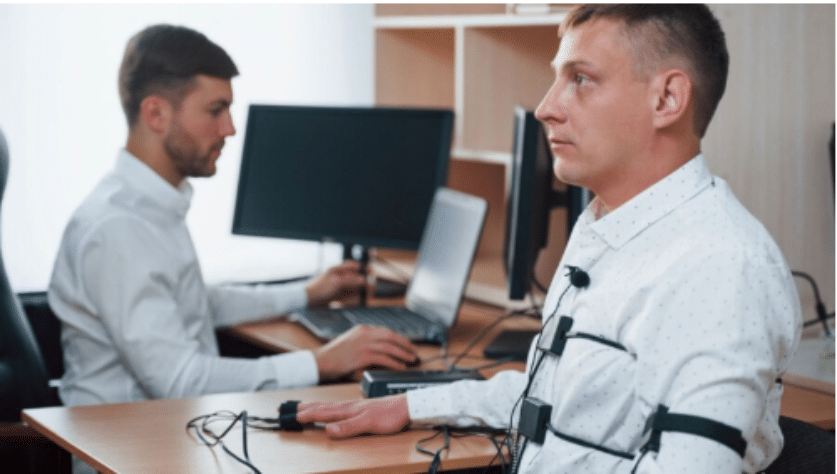
Forms of Intimidation During Polygraph Tests
1. Pre-test Accusations
Pre-test accusations involve examiners stating they have prior evidence of the examinees’ guilt.
Such claims reduce a polygraph test from being a truth-seeking tool to a guilt-confirmation process, making the outcome invalid.
2. Aggressive Interrogation Tactics
Industry standards require examiners to remain objective throughout the interrogation.
Polygraphers cannot yell, insult, or use condescending tones to coerce a confession.
3. Improper Question Framing Formats
Some examiners may ask polygraph questions unprofessionally to break their subjects.
Note that regulations require polygraphers to pose queries that require flat Yes or No answers. Where intimidation is involved, an examiner may deploy trick questions like “Did you intend to do this, or was it an accident?”
4. Broad or Intimate Questions
A polygraph test should uphold the examinee’s privacy.
While questions referencing gruesome crimes can be understandably uncomfortable, they shouldn’t be too intrusive.
5. Asking Too Many Relevant Questions
Multiple-issue polygraphs should ideally contain 2 – 3 relevant questions.
Asking too many relevant questions can make an examinee feel threatened and throw them off balance.
6. Threatening Consequences
Some examiners may threaten examinees with unpleasant consequences if they fail a polygraph test.
Threats may include missing out on an employment opportunity, losing a relationship, or incarceration, depending on the case under investigation.
7. Misrepresenting Results
This is perhaps the most severe form of examiner intimidation.
Unprofessional polygraphers may falsify the outcome to force a confession, even if the reading shows the examinee passed the test.
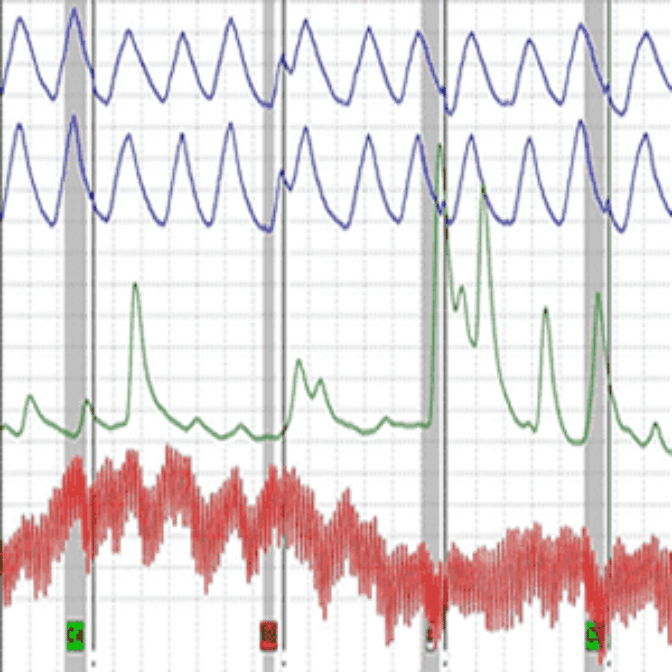
How to Handle Intimidating Behavior During Polygraph Tests
1. Prepare Ahead
Never let a polygraph exam catch you off guard. Instead, prepare adequately prior to the test.
Some things to keep in mind include;
- Getting adequate sleep the previous night
- Eating a normal meal before the exam
- Shunning stimulants like coffee and alcohol hours before the test
- Avoiding any countermeasures, including using antidepressants to stay calm
2. Understand Examiner’s Intent
Many examiners, particularly those in law enforcement, deploy intimidation to covertly extract a confession.
However, remember that polygraph testing isn’t a guilt-affirmation process but a standard truth-seeking tool.
3. Film the Session
Having irrefutable evidence of intimidation can help your case if you choose to legally challenge the outcome.
And what better way to document the session than via video recording?
4. Remain Calm
Polygraphs typically last 1.5 – 2.5 hours – plenty of time to think every question through. Therefore, pause and collect your thoughts before replying to each query.
Be sure to also seek clarifications if a question seems ambiguous or confusing.
5. Stay Impassive
Some examiners may intentionally invade your space to elicit stronger reactions, potentially manipulating the recordings. Again, don’t fall for the scam.
Maintain a professional demeanor even if a polygraph question bruises your raw nerve. Anger can throw you off track, leading to false readings.
6. Stick to Flat ‘Yes’ and ‘No’ Replies
While you can explain yourself during the post-test analysis, in-test questions demand simple ‘Yes’ or ‘No’ answers.
Don’t launch into an explanation. Besides, feel free to take a pass on open-ended questions.
7. Know When to Take a Break
There’s a limit to how much pressure you can take during a polygraph exam.
If you reckon that going ahead with the test is utterly fruitless, ask for a break or cancel the process altogether.

Neutralizing Intimidation for an Efficient, Error-Free Lie Detector Test
Polygraphs are inherently stressful for examinees. Therefore, the least you want is an examiner deploying intimidating behavior.
Besides, submitting to a lie detector test often puts your reputation or life on the line. Bowing to unwarranted pressure would be tantamount to shooting yourself in the foot.
As an examinee, the onus is on you to push back on intimidating behavior by unprofessional examiners.
Remain calm and answer questions objectively. Seek clarifications where necessary, and keep silent whenever an examiner goes off on a tangent.
You may also want to video-record the entire session. Video footage can provide solid proof of examiner misconduct, in case you consider pressing charges later on.
Even better, you could address polygraph intimidation proactively by insisting on a licensed examiner. Choose a polygrapher who graduated from an APA-approved school and has accreditations to show for it.