

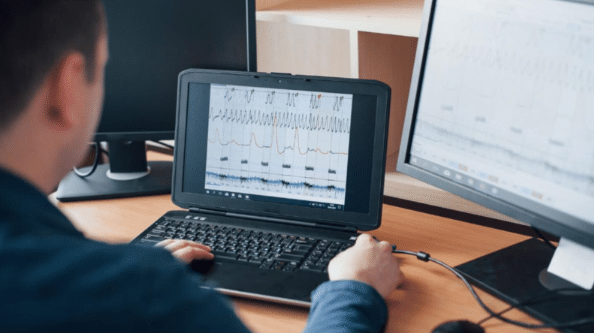
Many clients have been there!
You enlist the services of a certified polygraph examiner. The polygrapher goes ahead to conduct a rigorous lie detector test, taking extreme caution to comply with the industry standards.
But once the examiner compiles a report and submits their verdict, you’re at a loss regarding what to do with the findings.
Ideally, the polygraph process commences with pre-test interviews. Some key events during the pre-test phase include collecting the would-be examinee’s physiological baselines and explaining how the procedure works.
The process then transitions into the in-test stage, where much of the direct questioning happens. Examinees answer a series of lie detector queries as the polygraph machine records physiological data with each response.
Last comes the post-test phase. It’s here that examiners interpret the polygraph findings, informing you whether the examinee passed or failed the evaluation.
But what follows after the post-test phase? Should I preserve the lie detector report or chuck it into the trash?
Should I Discard Polygraph Findings?
Technically, the polygraph process doesn’t end at the post-test phase.
After an examiner relays the findings to you, you must preserve the reports in line with applicable data privacy laws.
Storing polygraph test findings serves two principal functions.
First, it ensures each report is readily accessible if required for independent reviews.
Note that a single examiner’s verdict doesn’t necessarily seal an examinee’s fate. Where a second opinion is critical, a subject may enlist the services of an independent polygrapher to analyze the first test’s findings.
Preserving polygraph reports is also critical in ongoing investigations. It enables you to revisit the findings for evidence retrieval, usually as part of building a case in favor of or against a defendant.
Which Data Privacy Laws Do Polygraph Reports Comply With?
There’s no express legislation spelling out how to properly store lie detector test findings. That’s understandable, as relevant state agencies haven’t officially endorsed the polygraph as an investigative technique.
Never mind that lie detector tests comply with numerous forensic standards.
But as far as data privacy goes, polygraph reports technically fall within the Privacy Act of 1974.
The Privacy Act of 1974 is a United States data privacy law that governs how federal agencies collect, store, and disseminate personal data. It grants individuals the right to access and amend their data. That includes restricting disclosure, a critical factor when it comes to polygraph reports.
Essentially, the Privacy Act of 1974 prevents unauthorized access to and sharing of sensitive information.
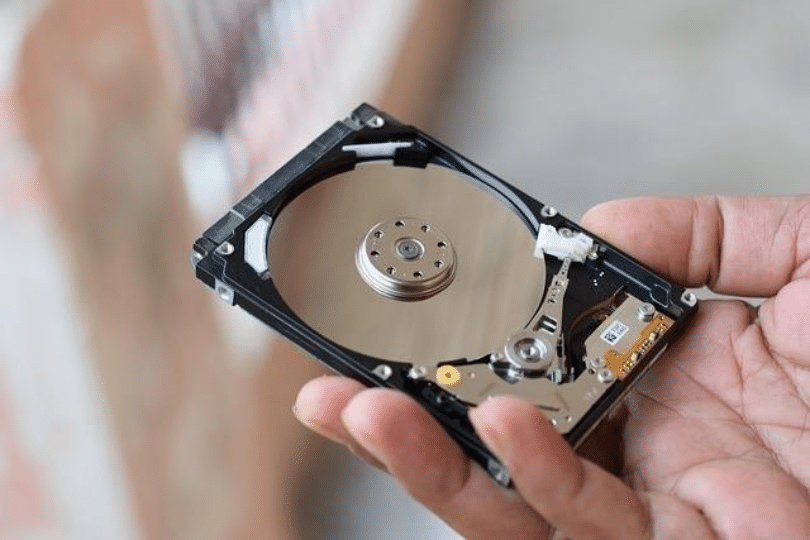
Photo Credit: Pixabay.com
Benefits of Following Standard Procedure in Polygraph Report Preservation
1. Safeguarding Client Privacy
Lie detector tests often involve disclosing sensitive personal information. Whether it’s an admission of guilt or a professional diagnostic opinion, such information must be preserved in a manner that upholds the examinee’s privacy.
Preserving polygraph reports isn’t just a matter of checking regulatory boxes. It also fosters the integrity of the entire process, making the findings legally defensible.
The American Polygraph Association (APA) mandates sharing polygraph findings strictly with authorized parties.
2. Securing Sensitive Records
Besides safeguarding client confidentiality, following standard data protection laws helps secure sensitive polygraph records. It’s a critical step towards maintaining data integrity.
Carelessly preserved lie detector reports may slip into malicious hands, increasing the risks of tampering.
Subjecting the findings to rigorous data control protocols minimizes such occurrences.

Photo Credit: Pixabay.com
Some Data Storage Best Practices to Beware Of
1. Practices for Physical Data Storage
Physical polygraph records include consent forms and the actual polygram charts.
To prevent unauthorized access, securely lock these documents in access-controlled cabinets.
2. Practices for Digital Data Storage
The advent of computerized polygraph machines revolutionized the lie detection process, including digitalizing data storage and visualization.
A good practice is to secure all digital polygraph reports in cloud storage platforms. More importantly, implement robust access control protocols, such as multi-factor authentication (MFA).
3. Practices for Data Backup
Back up polygraph files regularly to avoid data corruption. While there’s no standard rule on how frequently to undertake the procedure, consider back-ups every six months.
Remember to store copies in separate platforms. This way, you have multiple options in case certain repositories come under cyber-attacks or experience system failures.
4. Practices for Data Integrity Checks
There’s no such thing as a 100% tamper-proof storage platform. Even with the most robust data storage protocols, polygraph reports may still come under attack.
Conducting regular integrity checks can help uncover evidence of tampering, preventing devastating data loss. The slightest hint of a breach is your cue to change your current storage platforms.
5. Practices for Information Retrieval and Sharing
The APA requires polygraph examiners to maintain lie detector test findings for at least three years. However, this may vary by local regulations.
When sharing stored polygraph reports, one must consult their clients first. This is particularly important if the parties requesting access don’t feature in the consent form previously signed by the examinee.
Besides, only provide the minimum information required for regulatory compliance.

Photo Credit: Polytest.org
Wrap Up
Data privacy is a sticking issue in polygraphy. It’s one of the principal reasons many polygraph opponents cite for discrediting the technique.
After conducting a lie detector test, you must preserve the findings rather than discard them. More importantly, polygraph reports must be stored in compliance with the laid-down data privacy laws and industry best practices.
Working with a certified examiner is the best way to address client confidentiality issues surrounding polygraph exams.
A licensed polygrapher would subject every lie detector report to stringent data storage protocols, helping to maintain the information’s integrity. The professional would also follow due process in data extraction, sharing, and destruction.
For clients, this minimizes costly data breach lawsuits.