


The human brain is the primary organ involved in truth suppression. While polygraphs don’t directly measure an examinee’s mindset, all tracked parameters are regulated by the brain and central nervous system (CNS).
Therefore, it’s unsurprising that many misconceptions have spawned regarding the brain’s role in modern lie detection.
Knowing how the human brain functions can help us understand the science behind polygraph tests. And what better way to do that than to unlearn certain brain-related fallacies?
Read below as we explore the 10% brain myth and its relevance in polygraph testing.
What Is The 10% Brain Myth
The idea that we only use 10% of our brains is one of the most pervasive brain myths. So widespread is the notion that it has permeated forensic polygraphy.
It’s not uncommon for certain examinees to approach a lie detector test highly unprepared or simply nonchalant.
The logic is that, if we generally deploy 10% of the brain, stretching the organ’s limits might make us completely invincible. Every critical detail would come to remembrance with photographic accuracy.
Some deceptive examinees might even reckon that increasing the percentage of the brain used during polygraph exams can help them manipulate the test.

Photo Credit: Polytest.org
Tracing the Myth’s Origin
Earlier 20th-century brain studies established that significant portions of the cortex are “silent.” Without caring to interrogate the ‘silent’ connotation, many people readily launched into how the brain was a passive organ, only alive 10% at a time.
But what did these findings truly mean?
By describing the cortex as largely “silent,” researchers did not imply this critical part of the brain was inactive. Rather, it meant the region was largely uninvolved in motor or sensory tasks.
The cortex plays a critical role in cognitive functioning, making it essential during lie detector tests.
Note that polygraphs aren’t just real events. They’re reasonably stressful, too.
You must comprehend the examiner’s questions, think up a truthful answer, and respond calmly. The more the brain cells involved, the better.
Do We Only Use 10% of Our Brain?
Absolutely not! The widespread notion that we only use 10% of our brains is baseless and highly misguided.
If it were true, how would you explain the surging increase in neurological diseases?
In reality, virtually all parts of the human brain are involved in controlling physiological responses.
The prefrontal cortex, insula, and the amygdala are the brain’s principal areas that regulate cognitive functions.
As such, all three are actively involved in truth suppression. And they’re certainly more than 10% of the brain’s composition by role or sheer mass.
More intriguing is that deception exerts a higher cognitive load than being honest. Therefore, 10% of the brain would be insufficient to suppress the truth during polygraph exams.
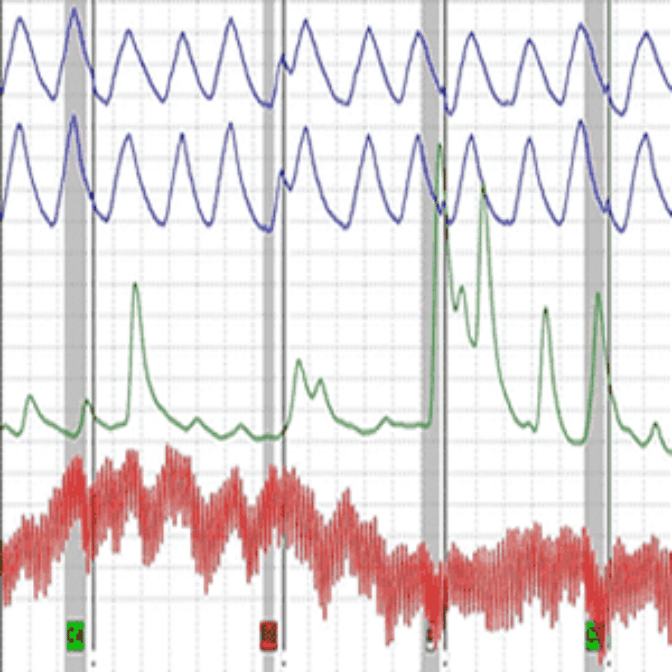
Photo Credit: Polytest.org
What Does Research Say?
Functional magnetic resonance imaging (fMRI) scans have shown that the brain is 100% active around the clock. These findings have been corroborated by positron emission tomography (PET) images, debunking the 10% myth.
Interestingly, the brain tends to be more active during sleep. This defies the theory that only a portion of it would be involved in conscious activities like polygraph tests.
Perhaps we should mention that since the brain is 100% awake most of the time, you don’t require extra stimulation to heighten concentration during lie detector tests. All you need is to manage stress ahead of each evaluation.
To remain alert, get ample sleep the night before a scheduled lie detector test.
Remember to also eat a balanced diet and exercise moderately. Most importantly, remain truthful at all times.
Other Common Brain Myths and Their Relevance In Polygraphy
1. Everyone Lies For Similar Reasons
Many people lie to evade the unpleasant consequences of their actions.
However, some will concoct falsehoods to save their reputation. Not to mention pathological liars who engage in deception merely for the adrenaline rush.
Whether you’re scheduling a pre-marital lie detector test or immigration screening, understanding the common reasons that motivate liars can help improve the test’s outcome.
That calls for extensive preliminary interviews between examiners and examinees.
2. Our Brains Work Better Under Pressure
Pressure doesn’t make your brain work better.
On the contrary, emotional stress impairs cognitive functioning.
Note that polygraph exams are inherently stressful experiences. The typical interrogation-style approach deployed in many lie detector tests is intimidating enough.
And depending on what’s at stake, it’s difficult to maintain your cool unless you prepare adequately for the test.
3. Mental Stress Can Impact Polygraph Outcome
The core variables measured during polygraph exams are controlled by the autonomic nervous system (ANS).
Studies have shown that deception activates the autonomic nervous system, primarily through its sympathetic and parasympathetic nervous systems.
The ANS is also involved in stress regulation.
That said, there’s no conclusive evidence that increased mental anxiety can alter the outcome of a professionally conducted lie detector test.

Photo Credit: Polytest.org
Debunking The 10% Brain Myth for a Credible Lie Detector Test
The brain isn’t partly involved in truth suppression or other cognitive functions. And neither are we only 10% conscious during lie detector tests.
However, note that polygraph exams don’t measure an examinee’s mental state. Which means you can still ace a professionally administered lie detector test despite suffering from certain underlying mental conditions like anxiety.
Besides, polygraphers can boost each test’s accuracy by preparing their subjects adequately.
As an examinee, the goal is to remain calm and answer truthfully to every question. Don’t attempt to manipulate the process, consciously or otherwise.