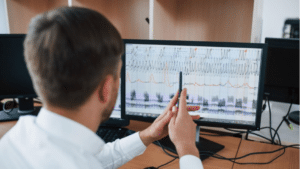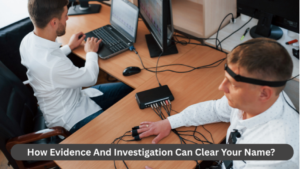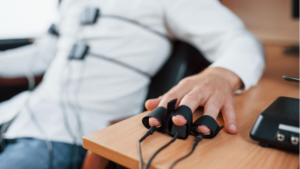

Polygraph exams have become remarkably accessible over the recent past. While still largely inadmissible in criminal proceedings due to precedential Supreme Court rulings, public opinion is steadily warming up to lie detector tests.
The demand for polygraph evaluations has triggered a corresponding surge in the number of licensed examiners. But, like most professions, polygraph licenses are jurisdiction-based.
It’s best to understand the polygraph licensing requirements in your location before scouting for an examiner. And to make that determination, you must establish the admissibility of lie detector tests in your state.
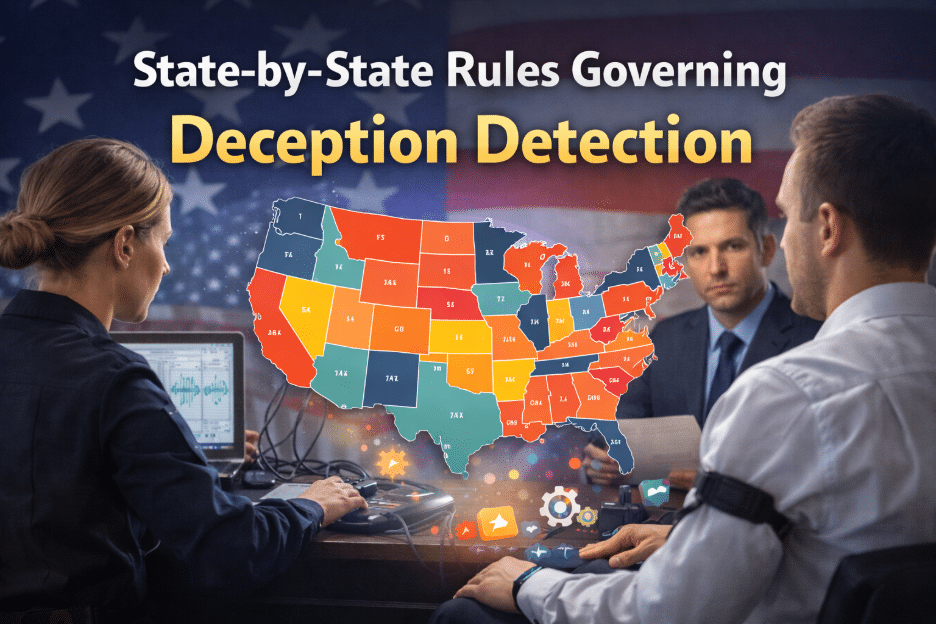
This post examines state-by-state polygraph rules across the United States.
Polygraph Admissibility Across the United States
No state has formally legislated to allow lie detector test reports in criminal proceedings. However, there is no prohibitive legislation either.
Most state courts rely on judicial precedents set by the Supreme Court while determining the admissibility of lie detector tests.
That said, recent events point to a pattern of wider admissibility in certain jurisdictions.
States That Generally Allow Polygraph Reports
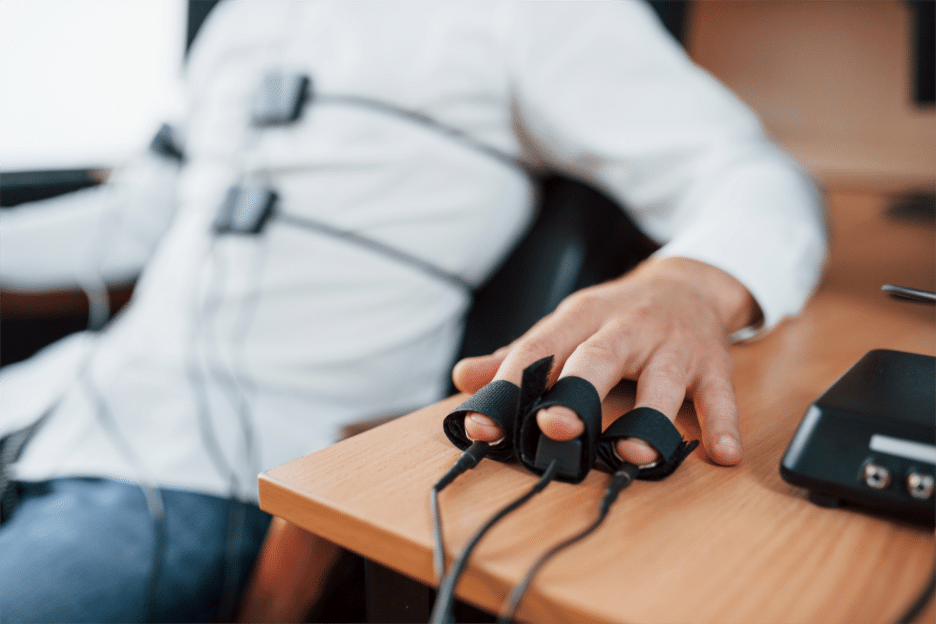
New Mexico is the only US state that generally allows polygraph results in judicial processes.
Again, there’s no express law to that effect. Admissibility is discretionary upon the presiding judge.
Besides, it’s paramount to still ask pertinent questions before hiring a polygrapher in New Mexico. Insist on someone who graduated from an American Polygraph Association (APA)-approved school.
Moreover, the examiner must possess relevant state-issued licensing. The New Mexico Private Investigations Board is responsible for licensing all polygraphers within the state.
Other States That Maintain Polygraph Licenses
Most other US states generally disallow polygraph results except with informed consent. To conduct legally defensible lie detector tests, the prosecutor and defense counsel must formally agree to it in writing.
Note that mutual consent still doesn’t guarantee eventual admissibility. A presiding judge or jury may allow or throw out polygraph evidence for failing to meet the Daubert standard, among other reasons cited in various precedential rulings.
But the situation is a lot different in civil matters.
If you’re using a lie detector test to investigate infidelity or theft among friends, you only need mutual consent and an experienced examiner. The findings can support or impeach circumstantial evidence, helping resolve the allegations.
Here are the various US states that require polygraph licenses, along with the licensing body;
- Alabama – Board of Polygraph Examiners
- Arizona – Arizona Polygraph Association
- Arkansas – Arkansas Board of Private Investigators and Private Security Agencies
- Indiana – Indiana Government Center North
- Kentucky – Kentucky State Police – Polygraph Unit
- Louisiana – Louisiana Polygraph Board
- Maine – Maine State Police
- Michigan – Dept. of Licensing and Regulation
- Mississippi – Board of Professional Polygraph Examiners
- North Carolina – Private Protective Services
- North Dakota – Office of Attorney General – Licensing Section
- Oklahoma – Board of Polygraph Examiners
- Oregon – Department of Public Safety Standards and Training
- South Carolina – Law Enforcement Division: Polygraph Section
- South Dakota – Law Enforcement Standards and Training Commission
- Tennessee – Private Investigations and Polygraph Commission
- Utah – Bureau of Regulatory Licensing Department of Public Safety
- Vermont – State Police Polygraph Section
- Virginia Polygraph Examiners Advisory Board
States With No Licenses
As of January 2026, the following states have no polygraph licensing programs;
- Alaska
- California (CA)
- Colorado
- Connecticut
- Delaware
- District of Columbia (D.C.)
- Florida
- Georgia
- Hawaii
- Idaho
- Kansas
- Maryland
- Massachusetts
- Minnesota
- New Hampshire
- New Jersey
- New York
- Ohio
- Pennsylvania
- Rhode Island
- Texas
- Washington
- Wisconsin
- Wyoming
NOTE: The absence of licensing frameworks in these states doesn’t directly impact polygraph’s admissibility. It doesn’t discount the significance of working with a qualified examiner, either.
Whether a state issues lie detector licenses or not, always insist on working with an APA-credentialed polygrapher.
States with Special Rules
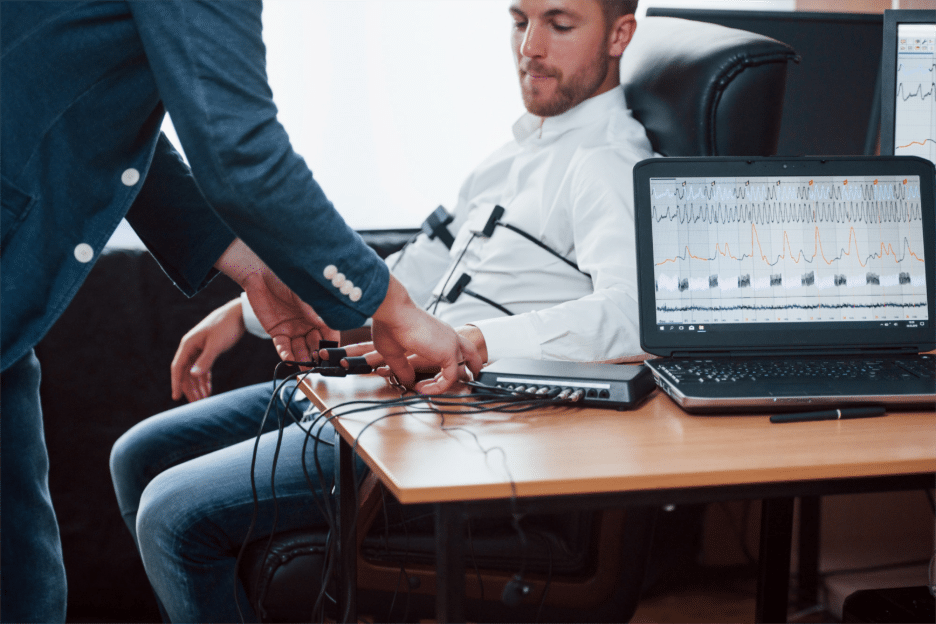
In Georgia, polygraph tests are generally used in monitoring paroled sex offenders.
Probationers often have to undergo testing every six months to assess compliance with their parole terms. Many other states have since begun to utilize polygraphs for post-conviction monitoring.
Meanwhile, jurisdictions like Iowa require a Private Investigator agency license to conduct lie detector tests. The Iowa Department of Public Safety issues all PI agency licenses in the state.
In Missouri, polygraph licenses are partially required. As of January 2025, only examiners in St. Louis County should be licensed.
Finally, polygraph licenses in Illinois may be repealed in 2027. Beware of the imminent reforms if you’re seeking to undertake a lie detector test in the state.
Things to Consider
Polygraph exams have helped solve multiple crimes, despite their admissibility issues. However, you must take certain precautions while scheduling a lie detector test.
- Training and Accreditation
Choose a polygrapher who completed basic training in an APA-approved school.
Private and law enforcement examiners typically undergo 10 – 13 weeks of training, while government polygraphers require up to six weeks of training.
- License
An examiner must be licensed in the specific state where you plan to take a lie detector test.
For states without licensing frameworks, APA accreditations will suffice.
- Obtain Mutual Consent
Consent determines a polygraph’s validity.
Plaintiffs and defendants must willfully agree to lie detector tests in writing, implying they’ll abide by the outcome.

US Polygraph Testing: A State Affair
Polygraph laws vary considerably by state. While the technique remains inadmissible in most criminal proceedings, many states allow lie detector tests in civil matters.
As a precaution, establish whether your state maintains polygraph licensing before taking a lie detector test. If yes, choose an examiner with a state-issued license in addition to relevant APA accreditations.
Remember to also address the key ethical concerns before requesting a polygraph evaluation. Besides examining their willful, informed consent in writing, examiners must follow APA-recognized testing methodologies.
Also, polygraph findings cannot constitute probative proof. Only use the reports to corroborate or impeach primary evidence.