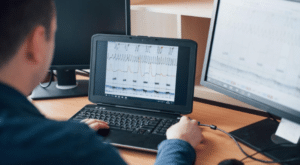

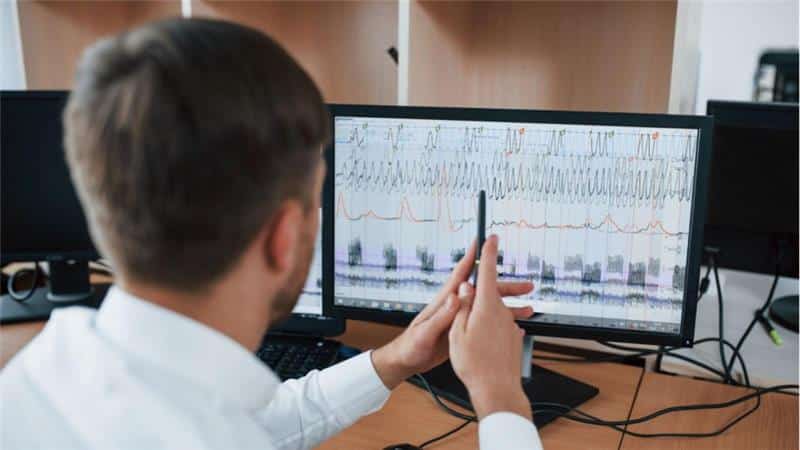
Polygraphs have been used for decades to support investigative processes. While not 100% fool-proof, mounting research and professional standards issued by bodies such as the American Polygraph Association (APA) recognize that properly administered polygraph examinations can be a reliable investigative aid when used under controlled conditions.
However, every lie detection tool has its limits. And that applies to polygraph exams.
To conduct a credible polygraph test, examiners must ascertain whether the would-be examinee is disposed to take the evaluation. Below are critical factors to consider before making that determination.
1. Consented Case
Consent is a critical requirement for conducting a legally defensible polygraph exam. Before scheduling a polygraph test, examiners must establish prior contact with would-be examinees and obtain their full agreement.
Note that consent must be informed. That’s to say, the subject should be completely aware of the implications of submitting to a polygraph exam.
Consent must also be properly documented. While written consent is the accepted professional standard and best practice, the essential requirement is that consent be voluntary, informed, and verifiable in accordance with applicable laws and professional guidelines.
2. Age Of Consent
The age at which an individual may undergo a polygraph examination varies by jurisdiction and is determined on a case-by-case basis. In the United States, there is no universally mandated minimum age.
More importantly, the subject must demonstrate sufficient cognitive and emotional maturity to understand the nature and implications of the examination. Minors typically require parental or guardian consent, and in some cases, legal counsel.

3. Test Purpose
Why are you planning a polygraph exam?
The answer will determine whether an examiner will approve the test or not. While originally administered in law enforcement investigations, polygraphs have since pervaded several other sectors.
Those include immigration testing, government contracting, sports screening, and even relationship counseling.
However, employment-related lie detector tests are a striking exception. The U.S. Employee Polygraph Protection Act (EPPA) prohibits most private-sector employers from requiring polygraph examinations, subject to limited statutory exceptions.
It’s also worth noting that polygraph tests should strictly serve to corroborate or impeach other evidence.
Examiners will only approve the evaluations upon establishing the presence of circumstantial evidence, such as police reports or CCTV evidence.
4. Examinee’s Medical Condition
Polygraphs measure certain physiological functions indicative of deception. Commonly evaluated metrics include blood pressure, heart rate, breathing rate, and skin conductivity.
Certain illnesses may interfere with physiological data collection during a polygraph exam and, therefore, require careful evaluation. Conditions such as acute respiratory illness, unmanaged pain, or recent injury may affect physiological stability and should be assessed by the examiner prior to testing.
These conditions do not automatically disqualify an examinee. Instead, the examiner must determine whether reliable physiological data can be obtained under the circumstances.
5. Examinee’s Mental Health Status
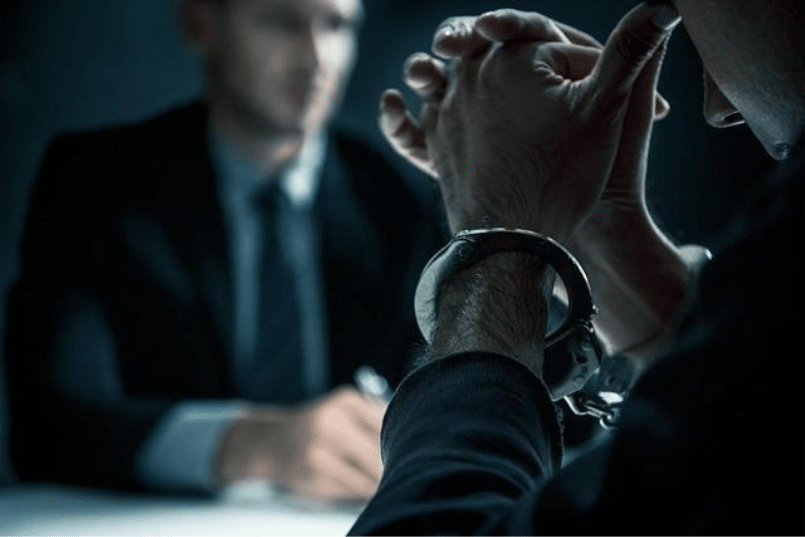
As noted, lie detector tests do not directly measure anxiety. However, stress can influence the autonomic nervous system (ANS), which regulates physiological functions monitored during polygraph exams.
The presence of anxiety or stress-related conditions does not automatically preclude testing. Rather, examiners assess whether the examinee can meaningfully participate and whether reliable physiological baselines can be established.
6. Examinee’s Psychiatric Condition
Individuals experiencing active psychosis, severe disorientation, or significant cognitive impairment are generally unsuitable for polygraph testing, as these conditions may impair comprehension and meaningful participation.
Suitability is determined based on functional capacity, not diagnosis alone. Examiners evaluate whether the individual can understand questions, appreciate the purpose of the examination, and respond in a reality-based manner.
7. Evidence of Substance Abuse
Alcohol and drugs can impair physiological and cognitive functioning. An examinee who is actively intoxicated or experiencing acute substance effects is unsuitable for testing at that time.
A history of substance use or participation in treatment does not automatically disqualify an examinee. Similarly, prescription medications—including antidepressants or cardiovascular drugs—are evaluated on a case-by-case basis to determine whether they materially affect test reliability.

Wrap Up
Polygraph exams should be used for evidence-supporting purposes rather than as the primary investigative tool. Therefore, examiners must fulfill certain conditions to conduct a legally defensible lie detector test.
First up, a polygrapher must obtain an examinee’s willful consent in writing. Next comes a rigorous preapproval process, which entails evaluating the subject’s physical and mental suitability for the lie detector test.
It’s also prudent to underscore the significance of sharing polygraph reports with authorized parties. That way, examiners can uphold relevant data privacy laws and avoid undue privacy violation penalties.