

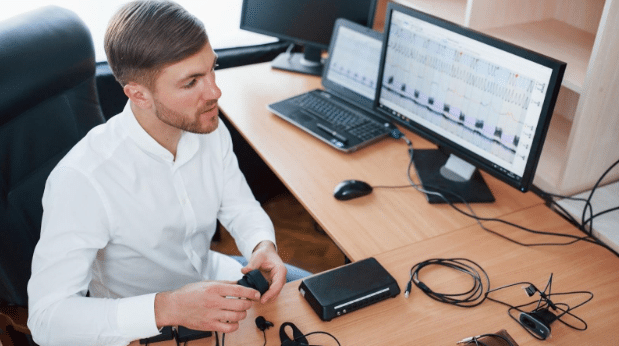
The polygraph has gradually grown into a widely used investigative tool, assisting examiners in assessing credibility and supporting investigative processes.
While critics abound, research and professional standards indicate that polygraph examinations can be a useful and reasonably reliable investigative aid when properly administered by trained examiners. That explains why a technique previously exclusive to law enforcement has now expanded into multiple other sectors.
However, no two polygraph evaluations are identical. Examiners cannot simply replicate one approach and expect valid results.
To conduct a credible lie detector test, there’s a need to implement a case-specific test format.
Here are the various reasons to adopt a unique approach to every polygraph exam.
1. Different Subject Matters
The polygraph is inherently an investigative tool. Therefore, the specific case under investigation determines the best approach to take.
For instance, a murder investigation polygraph test involves higher stakes than a drug screening examination. You’d naturally expect both evaluations to take on entirely new approaches.
Besides, the questions posed by polygraph examiners must relate to the specific facts of the case.
Industry standards permit examiners to ask control questions. Even so, such queries must directly aid the matter under investigation.
Let’s say that an examinee is accused of fatally shooting a colleague. The same individual has had previous run-ins with the law for (i) illegal firearm possession, (ii) theft within the family, and (iii) child neglect.
To avoid undue bias, examiners must frame control questions within the same behavioral category as the issue under investigation, such as violence or weapon-related conduct. Incidents like theft or child neglect fall outside that category and would not provide a meaningful comparison.
2. The Overarching Goal
All lie detector tests are meant to discern honesty or truthfulness. However, it’s the overarching goal that truly matters.
It’s not enough for a polygraph evaluation to turn up a Deception Indicated (DI) or No Deception Indicated (NDI) verdict. The long-term implications of each test’s findings matter too.
After corroborating circumstantial evidence in a murder investigation, polygraph reports may contribute to a defendant’s imprisonment. That’s in contrast to addiction polygraphs, where a DI verdict confirms the subject requires help rather than condemnation.
You’ll also realize that polygraph investigations of criminal offenses typically focus on crime-related facts. In contrast, lie detector tests administered as part of standard tendering procedures mostly dwell on prospective contractors’ backgrounds.

Photo Credit: Pixabay.com
3. Defendant versus Plaintiff Polygraphs
Polygraph approaches may vary depending on the role of the examinee within an investigation.
While all polygraph examinations are intended to corroborate or challenge existing evidence, examiners must maintain neutrality regardless of whether the examinee is a suspect, defendant, complainant, or witness.
Question formulation and interview style may be adjusted to account for the examinee’s role and emotional state, but professional standards require examiners to avoid coercion and to uphold the presumption of innocence throughout the process.
4. Understanding Legal Considerations
While conducting a polygraph evaluation, examiners must adapt the test to applicable laws and statutes. A noteworthy example is the United States’ Employee Polygraph Protection Act (EPPA).
The EPPA prohibits most private-sector employers from requiring or coercing employees to submit to polygraph examinations for pre-employment screening or specific loss investigations, subject to limited statutory exceptions.
Government agencies and certain regulated industries may fall outside the Act’s scope, depending on the nature of the examination and governing laws.

Photo Credit: Pixabay.com
5. Addressing Ethical Considerations
Adopting a case-specific polygraph testing format determines how effectively examiners can address relevant ethical issues.
While methodologies may vary depending on the nature of the investigation, informed and voluntary consent remains a fundamental requirement for ethical polygraph testing, regardless of the alleged offense.
Examiners may explain the purpose and potential implications of the examination, but they must avoid coercion, undue pressure, or deceptive practices when seeking consent.
6. Addressing Unique Examinee Variables
Factors like examinee background can impact the credibility of polygraph tests.
If polygraphing a non-native English speaker, examiners may recommend roping in a translator.
Interpreters can effectively navigate language nuances, preventing message distortion. Their intervention streamlines the testing process by clearing ambiguities.
Lie detector tests typically last between one and several hours, depending on the complexity of the case. When interpreters are used, examinations may require additional time to ensure accuracy and clarity.
Examiners may adapt question length and structure to maintain clarity while preserving the integrity of the testing process.
Wrap Up
Polygraph exams are highly rigorous procedures with far-reaching implications.
Therefore, examiners must pull all the stops to conduct credible lie detector tests. That includes adopting a case-specific testing format for every polygraph evaluation.
Remember that each lie detector test seeks to solve particular matters. Besides, there are subject-related variables as well as legal and ethical considerations to be aware of.
Navigating these challenges requires implementing a unique methodology.
For a better outcome, insist on having every lie detector test administered by a duly certified examiner.
Seek out someone who graduated from an APA-accredited school. Even better, prioritize individuals with practical experience administering similar polygraph exams.