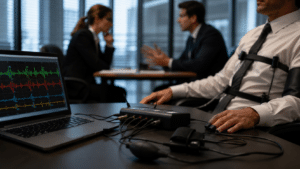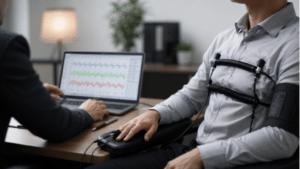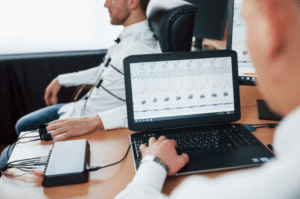

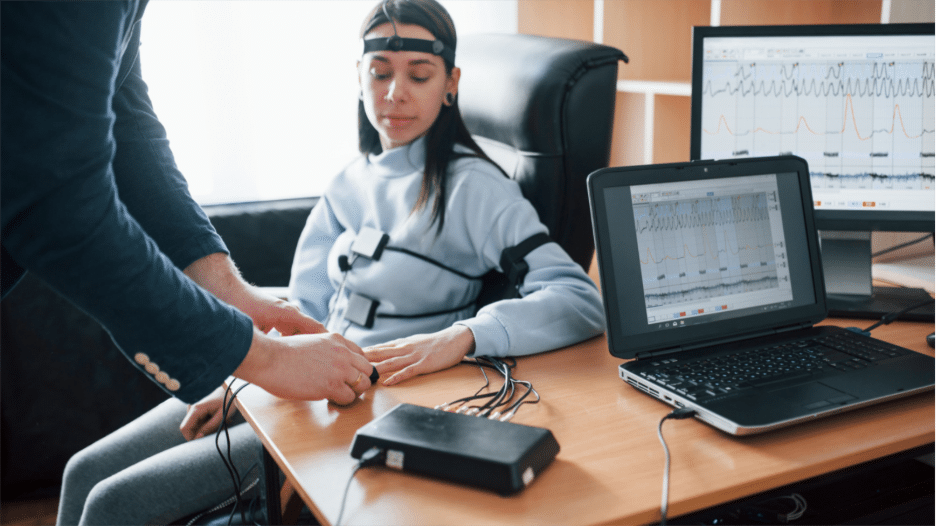
One of the most pervading myths about polygraph tests is that examiners typically have the upper hand in terms of administering the evaluations. This misconception feeds on the general perception that lie detector tests inherently bestow investigative privileges on examiners, while examinees tacitly cede their fundamental rights.
Well, the reality is strikingly different.
On the contrary, polygraph examinees enjoy certain unalienable rights. That includes the right to fair questioning.
To conduct a legally defensible polygraph test, examiners must professionally frame and fairly pose lie detector test questions to examinees.
The American Polygraph Association (APA) has published benchmarks on what a ‘fair polygraph question’ entails. A deviation from officially recognized standards may automatically render lie detector test findings invalid.
But what constitutes fairness in lie detector tests, and is it a complete black and white issue?
Underscoring the Significance of Fairness in Polygraph Tests?
Polygraph reliability remains a sharply divisive issue.
According to the APA, professionally conducted single-issue lie detector tests can be up to 95% accurate. That makes the polygraph more reliable than competing techniques like Eye-Detect.
However, many opponents cite the APA’s benchmarks as exceedingly difficult to achieve. One way to settle the debate is by ensuring fairness in every lie detector test.
Note that polygraph reports typically undergo independent audits. If these assessments uncover glaring oversights like poor question framing, the findings may be rendered invalid.
The onus is on polygraphers to undertake legally defensible lie detector tests by following the laid-down standards.
Fairness is notably a crucial element in assessing the reliability and evidentiary value of polygraph tests. In jurisdictions that allow lie detector tests in judicial proceedings, examiners must uphold justness throughout the process for the results to be acceptable.
Polygraph Fairness and Test Timing
Professionally administered lie detector tests typically last 1.5 – 2.5 hours. The actual duration varies by test type (single-issue versus multiple issue), matter under investigation, and examiner experience.
Most examinees will develop fatigue if subjected to a polygraph test lasting over 2.5 hours.
Fatigue can impact certain physiological and cognitive functions, reducing the quality of data collected during the evaluations.
To avoid lengthy lie detector tests, adequate preparation is paramount. That brings us to the next key consideration.
Polygraph Fairness and Testing Phases
Lie detector tests unfold in three phases, namely;
- Pre-test – Preliminary phase
- In-test – Questioning phase
- Post-test – Data analysis and report compilation phase
Much of the polygraph preparation takes place during the pre-test phase. And part of the planning entails addressing scenarios that could lead to examiner bias.
Unknown to many, polygraph questions aren’t formulated on the go. The queries are drafted during the pre-test interviews.
More importantly, examinees get a glimpse of the questions lined up for the subsequent in-test phase. This ensures they understand each question, minimizing bias.
Polygraph Fairness and Question Design Formula
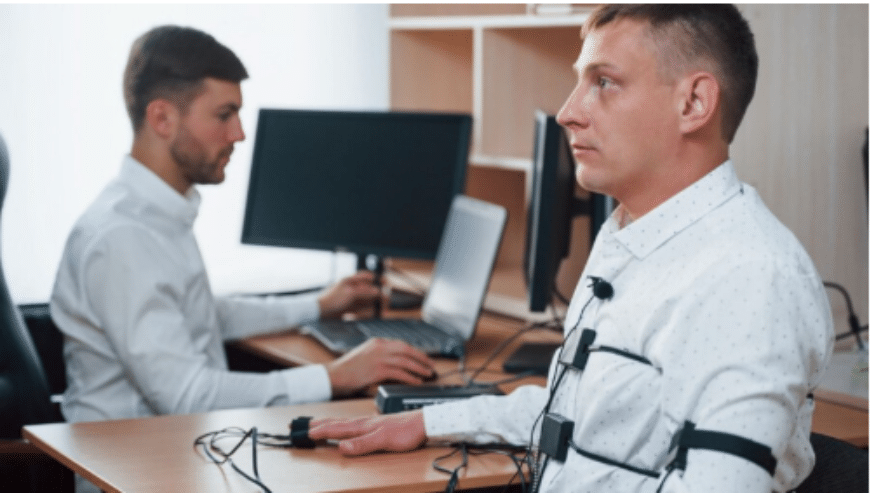
There are limits to lie detector tests. Fortunately, examiners can extend those limits by adhering to the industry guidelines on question framing.
Those include;
1. Close-endedness for In-test Questions
Questions posed during pre-test and post-test phases may attract narrative responses. However, in-test questions should strictly be closed-ended.
Examinees can only reply ‘Yes’ or ‘No’ to in-test queries. There’s no room for narrative responses.
Wrong: What happened between you and John last Tuesday?
Right: Have you engaged in sexual acts with anyone else while dating/married to your current partner?
2. Brevity and Simplicity
Polygraph questions must be short and straightforward. Examiners should avoid long, winding questions, as these will only confuse the examinee.
Wrong: You’ve been accused of stealing $500 at the workplace, are these allegations factual?
Right: Last Tuesday, did you steal that missing $500 from your workplace?
3. Clarity and Unambiguity
Every polygraph question must strictly have one possible interpretation. Therefore, examiners must pose the queries coherently and unambiguously.
Wrong: Did you assault Mr. Thomas last Friday using a gun?
Right: Did you shoot Mr. Thomas last Friday?
To address polygraph unfairness concerns caused by a lack of clarity, examiners must also be audible enough.
4. Neutral and Non-accusatory Tone
Tone is another critical element in polygraph question design rules. Examiners should frame lie detector test questions neutrally, not in an accusatory manner.
Wrong: Do you agree that you failed in your duty of care as a parent?
Right: Have you ever left your children by themselves for longer than (ENTER PERIOD)?
Polygraph Fairness and Data Interpretation
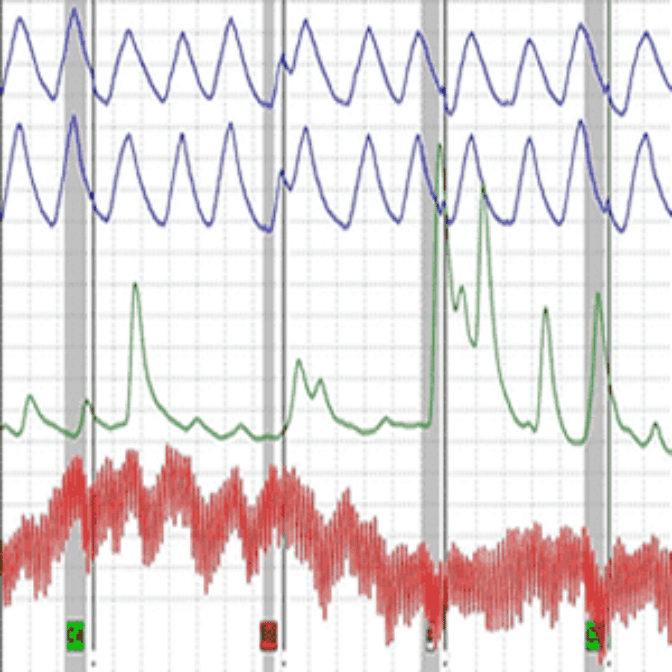
Polygraph findings must be premised on physiological data collected by the lie detector machine, including information on;
- Cardiovascular functions – heart rate, pulse rate, and blood pressure
- Skin conductivity
- Respiratory activity
Some modern polygraph equipment also utilizes motion sensors, while others integrate with additional lie detection techniques for more accurate outcomes.
Examiners should rely primarily on the physiological information a lie detector machine collects. In other words, an examinee isn’t necessarily guilty because they’re nervous, incoherent, or emotionally detached.
The only exception is if an examiner exacts an admission of guilt during a lie detector test. Even so, such admissions should be audio or video-documented.

The Bottom Line
There are no shades of gray when it comes to fairness in polygraph exams. For any lie detector test to achieve the minimum validity threshold, examiners must follow the industry-approved formulas for question designs.
Polygraph questions must be short, unambiguous, and closed-ended. Besides, examiners must pose each query in a neutral and non-accusatory tone.
Remember that the overarching goal isn’t to incriminate the examinee. Rather, it’s to uncover the truth and potentially bring a long-winding investigative process to a conclusive end.
For the best outcome, insist on working with a licensed polygraph examiner.
Choose an examiner who graduated from an APA-certified school. It’s even better if the individual possesses specialized training, particularly if you’re enlisting someone for technical roles like law enforcement or counterinsurgency.