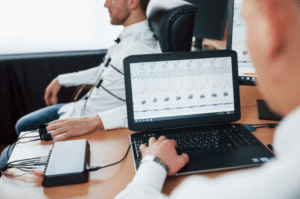

When you schedule a polygraph examination, uncertainty often becomes the most difficult part of the experience. You may question how the process works, what actually is being evaluated by the examiner, and how the final outcome is determined.
At the same time, the seriousness of the situation can make all of the unanswered questions weigh heavily. Much of this stress is due to the lack of understanding of what is done beyond the testing room or how each stage fits into the larger process.
In fact, a professional polygraph session is a well-planned process made up of defined steps designed to support accuracy, fairness, and transparency. Each stage has a particular purpose and builds logically on the one before it.
Once you have a sense of how the process works from start to finish, then the experience becomes more predictable and easier to work with. This blog describes each phase of a professional polygraph session from intake to final reporting, so you know what to expect and why each stage is important.
1. Intake and Case Review: Establishing Purpose and Scope
The session starts with an intake phase, which establishes the direction of the whole examination. During this stage, the examiner reviews information related to the case, explains the purpose of the test, and makes sure the informed consent is fully understood.
This preparation helps to ensure the lie detector test is focused on specific and clearly defined issues instead of broad and unclear issues. Administrative documentation is done, and the relevant background information is discussed in an organized way.
This includes the reason for the examination and confirmation that informed consent has been obtained. Attending to these details at an early stage establishes transparency and clear expectations.
A meta-analysis by Applied Cognitive Psychology indicates that polygraph accuracy is higher when examinations are focused on clearly defined issues rather than broad or open-ended topics, which confirms the role of the intake phase in reliability.
2. Pre-Test Interview: Creating Clarity Before Testing
After intake, the process shifts to the pre-test interview, which is often the most detailed and time-consuming component of the entire session. During this phase, the examiner obtains relevant background information related to the matter being examined and enters into an open discussion in order to comprehend your perspective.
This stage also gives the examiner a chance to see if you are fit to be tested. Factors such as some mental health conditions or unaddressed traumatic experiences may impact the ability to conduct a polygraph examination.
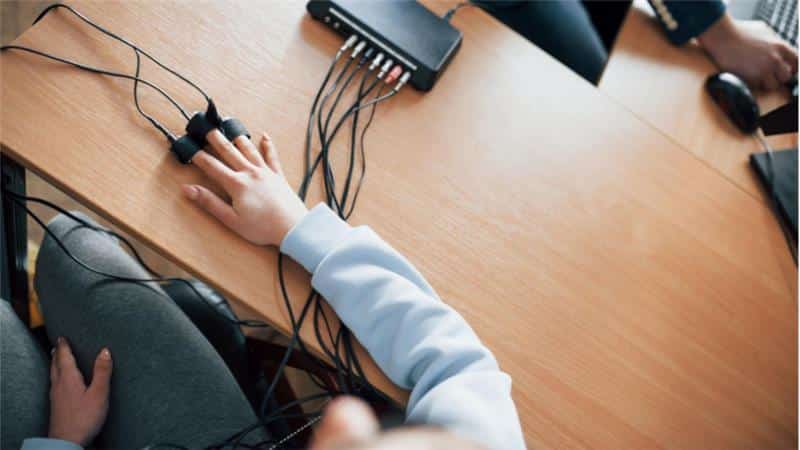
Because polygraph testing relies on involuntary physiological responses, such as breathing patterns, cardiovascular activity, and skin conductivity, it is very important to establish a reliable baseline. These baseline measurements are used as reference points by which to measure responses later in the process.
The examiner also explains the procedures and expectations of testing to make sure that the ground rules are well understood. A 2023 review in Current Directions in Psychological Science underlines that well-specified questioning minimizes non-targeted physiological reactions in deception-related testing contexts.
3. Understanding the Polygraph Instrument
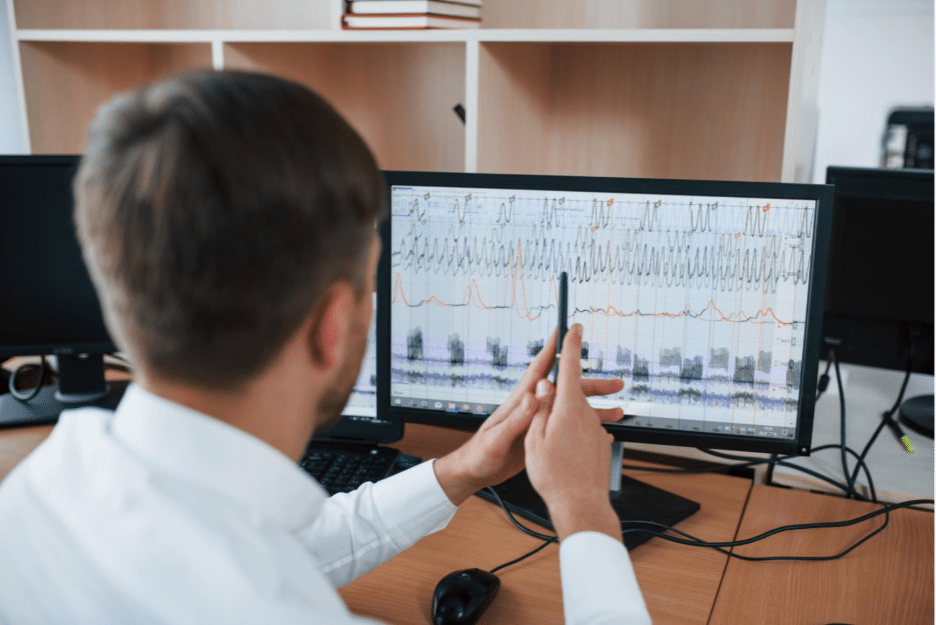
Before testing commences, the examiner will explain the polygraph instrument itself, as well as what it measures. The system measures respiration patterns, the cardiovascular system activity, and the electrodermal response as questions are posed.
These measurements are obtained at the same time in order to measure physiological changes during each response. This explanation helps clarify a common misunderstanding about polygraph testing.
The polygraph does not detect deception directly. Instead, it records physiological activity, which could be linked to the way a person is responding to the structured questions under controlled conditions.
4. In-Test Phase: Collecting Structured Data
The in-test phase is where physiological data is collected. During this phase, questions are asked in a systematic order while the polygraph records answers to questions. The examiner ensures that there is a steady pace and a controlled environment for the whole session, in order to ensure data integrity.
Rather than using only one set of responses, multiple charts are usually collected. This repetition helps the examiner to look for patterns across the responses rather than looking for isolated reactions.
Coherence among charts enhances the interpretive reliability and eliminates the effects of immediate variations. A 2024 study in Acta Psychologica indicates that repeated physiological measurement under standardized conditions improves the interpretation confidence during deception-related testing.
5. Post-Test Analysis and Objective Scoring
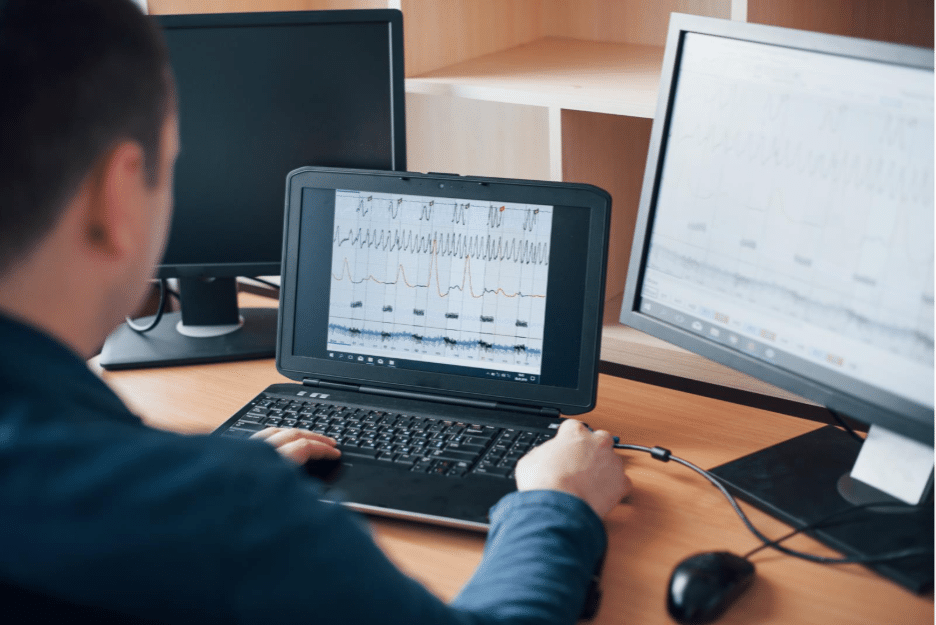
Once data collection is complete, the examiner transitions into post-test analysis. During this phase, the collected charts are reviewed and evaluated using standardized scoring methods designed to support objective interpretation.
The focus here is consistency rather than assumption. Instead of relying on impressions or isolated responses, the examiner compares physiological reactions across multiple charts to identify meaningful patterns.
This structured approach helps ensure conclusions are based on observable data rather than subjective judgment. By separating analysis from data collection, the process maintains professional rigor and allows findings to be evaluated independently of the testing environment.
6. Final Report: Documenting Findings with Precision
The final stage of the session is the preparation of a written report. This document outlines the procedures followed, the testing conditions, and the conclusions derived from the analysis.
Rather than presenting a simple outcome, the report provides a clear record of how the examination was conducted and how conclusions were reached. This level of documentation supports transparency and professional accountability, especially when results are reviewed by third parties.
By the time the report is completed, each phase—from intake through analysis—has contributed to a structured and methodical evaluation rather than a single testing moment.
Conclusion
A professional polygraph session is defined by its process, not by one isolated event. From the initial intake to the final report, every stage plays a deliberate role in supporting accuracy, consistency, and clarity.
When you understand how these steps connect and build on one another, the experience becomes less uncertain and more predictable. This behind-the-scenes structure is what allows polygraph examinations to deliver results grounded in methodical evaluation rather than assumption or guesswork.